
Reviewed · DIOCLETIAN'S PALACE TOURS
Split: Old Town and Diocletian Palace Walking Tour
Split is interesting because it was built on top of itself. You can walk a few streets and go from Roman power to living Christian landmarks, all inside what is now the Old Town. I especially like how guides bring the streets to life, and how local storytellers (like Mia or Slavko, from recent tours) make Diocletian’s Palace feel less like ruins and more like a real place.
What I also love is the mix of big sights and small context. You pass the Peristyle and then connect it to cathedral life, plus the Gregory of Nin story, and the walk ends with sea views from the Riva. One thing to consider first though: it is not suitable for wheelchair users, and it is a walking tour, so comfortable shoes matter.
Key Takeaways Before You Go
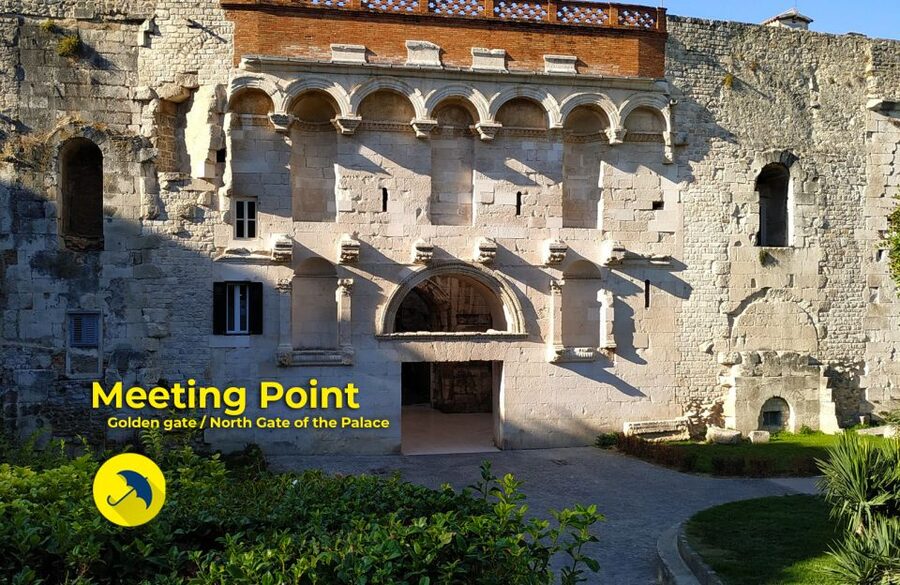
- Meet at the Golden Gate, then work your way through the palace’s main story beats on foot.
- Diocletian’s Palace is the city’s backbone, and your guide helps you see how it shapes everyday Split.
- Saint Domnius Cathedral stays in active use, so you are looking at history that is still doing its job.
- Gregory of Nin’s statue in Giardin Park adds a human layer, not just stone and dates.
- Riva promenade views of Marjan Hill and the Adriatic make the tour feel like a real stroll, not a museum route.
- Optional wine and food tastings can stretch the experience up toward a half day, depending on the option you pick.
Why Diocletian’s Palace Feels Different With a Guide
The Diocletian Palace is the kind of place that can fool you. From outside, it looks like impressive Roman architecture. Walk inside with someone who knows the layout, and suddenly you understand why it still controls the Old Town streets, from alley angles to the flow of daily life.
I like that this tour is built for first-time orientation. You are not just seeing the palace walls, you are learning what each section meant and how people used the spaces. Recent guides, including Mia and Antonia, are praised for offering clear explanations and then adding practical tips for what to do next in Split.
There is also a lot of “oh, that is why” moments. For example, when you stand in the palace’s central area, you can grasp how an ancient emperor’s plan became a neighborhood pattern. That is the real value of paying for a guide here: you get a mental map that stays with you after you leave.
More time inside Diocletian's Palace:
- Walking Tour of Split and Diocletian’s Palace
★ 5.0 · 2,588 reviews - Split & Diocletian’s Palace Walking Tour
★ 5.0 · 1,125 reviews - Split: Diocletian Palace & Old Town Guided Walking Tour
★ 4.7 · 882 reviews
Getting Oriented: Golden Gate Start and the Roman Layout
You begin at the Golden Gate of the Diocletian Palace, then you trace the palace’s story as you walk. The meeting point can vary by option, but the tour itself is anchored to the Golden Gate, and it ends there too.
This matters more than you might think. Split’s Old Town can feel like a maze if you arrive without a plan. By starting inside the palace complex, you naturally learn the “grammar” of the area, like where the main open space would have been and how movement worked in Roman times.
The tour spans from 90 minutes to up to 6 hours, depending on the starting time and whether you choose add-ons like tastings. Short version or longer version, the core experience stays similar: you move through the palace, then expand into key city landmarks nearby.
If you hate wasting time, this is one of the smarter things to book early in your stay. Multiple guides in recent reviews were praised for giving restaurant and sightseeing suggestions afterward, plus advice for avoiding tourist traps. That is the kind of follow-through that makes a walking tour pay off.
The Peristyle and Colonnades: Seeing the Palace’s Main Engine
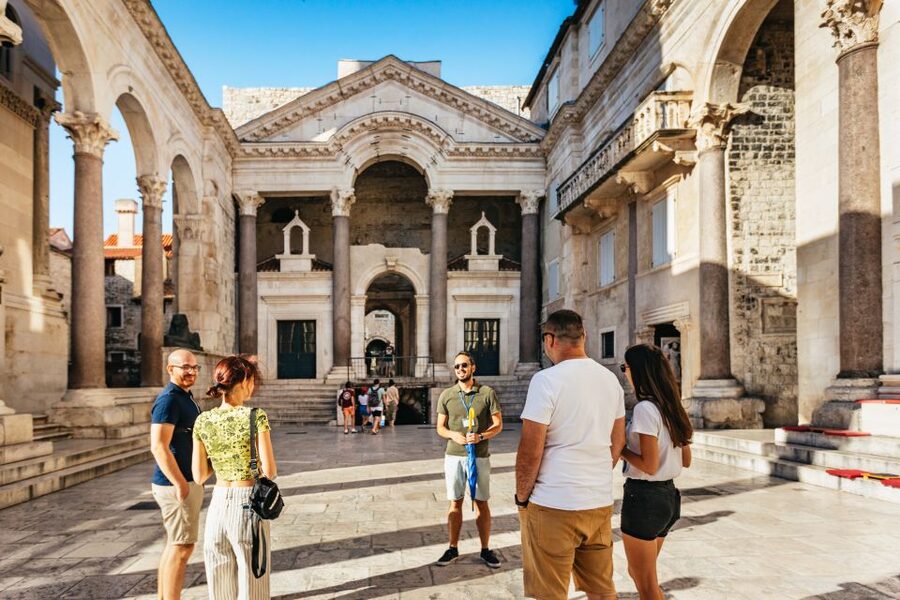
One of the tour’s standouts is the moment you pause at the palace’s central Peristyle square and see the open colonnades. From street level, you might notice strong lines and big arches. With guidance, you see the function: this was an organized public heart inside a larger power structure.
What I find useful here is the way your guide connects form to daily life. The palace design is not just dramatic stonework. It is a layout meant to channel movement, create ordered spaces, and support authority. When your guide points out how the colonnades frame sightlines and gatherings, it becomes easier to understand what you are walking through.
Also, do not rush this part. Stand still when your guide asks you to. In Split, light and shadows can make Roman remains look almost abstract. A good guide times explanations so you can look, then understand, then look again with better eyes.
Saint Domnius Cathedral: Roman-Era Spirit Still in Use
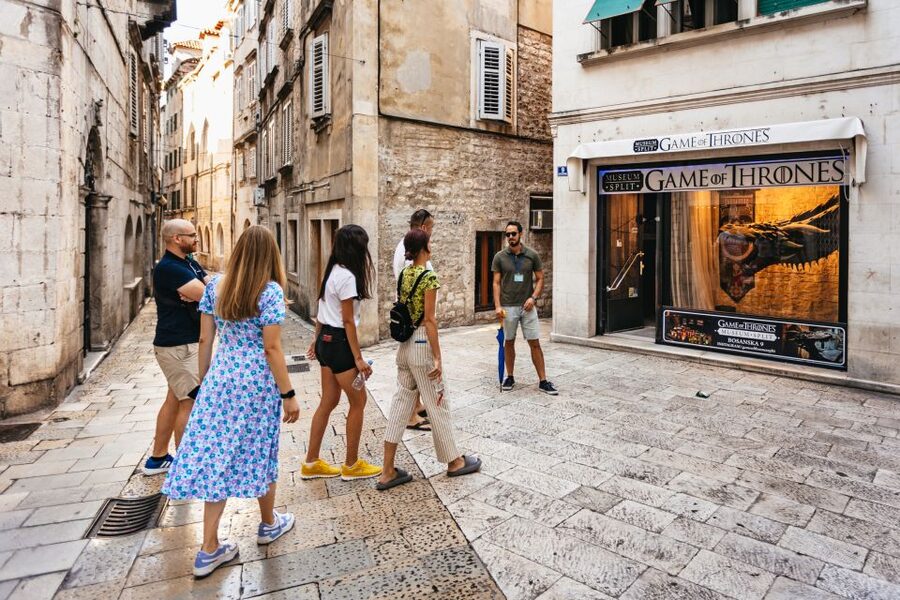
Next comes Saint Domnius Cathedral, often described as one of the oldest Catholic cathedrals in the world that remains in use in its original form. Even if you are not a church-history expert, this stop hits because it is not an empty ruin.
This is one of the reasons the tour feels special. You are not just studying the past from a distance. You are encountering a living religious landmark next to Roman remains, which makes Split’s layers feel real instead of theoretical.
Your guide also helps you notice what is typically missed when you show up alone. You get context that turns architecture into story. You understand why certain features matter, and you learn what to watch for as you keep walking.
If you are traveling with kids or teenagers, this is a strong stop because it is visually clear and easy to connect to the human side of the city, not just dates.
More walking tours of Split:
- Krka Waterfalls tour with Trogir Walking tour and Krka panoramic boat cruise
★ 5.0 · 1,659 reviews - Walking Tour of Split with a ‘Magister’ of History
★ 5.0 · 1,122 reviews - Split Walking Tour with Professor of History
★ 5.0 · 926 reviews - From Split: Krka Waterfalls Cruise & Trogir Walking Tour
★ 4.7 · 681 reviews
Gregory of Nin in Giardin Park: A Story You Can Point To
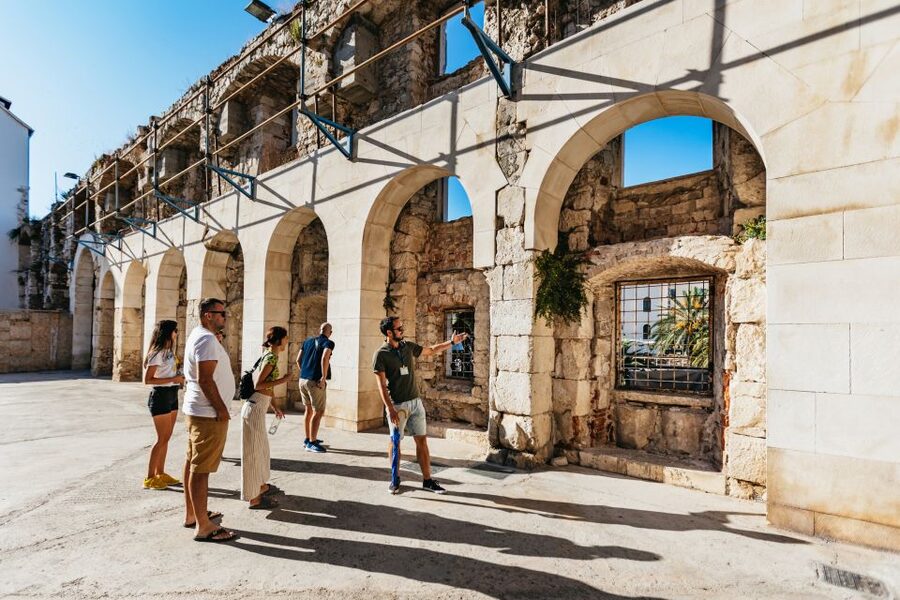
The tour then shifts to the Bishopric of Gregory of Nin through his statue in Giardin Park. This is a smart move because it adds a person to the timeline. Rome gives you buildings. Gregory gives you identity, conflict, and local meaning.
Giardin Park also breaks the pace. You get a breather between major structures, and you can refocus on why Split’s Old Town still matters to locals. In reviews, guides were praised for storytelling style, often mixing humor with clear explanations, and this stop is a prime example of that approach.
For me, the benefit is that you leave with at least one “anchor story.” When you later wander the Old Town on your own, you can connect buildings and street names to something human, not just an impressive backdrop.
The Riva Promenade: Sea Views That Make the City Feel Like a Place
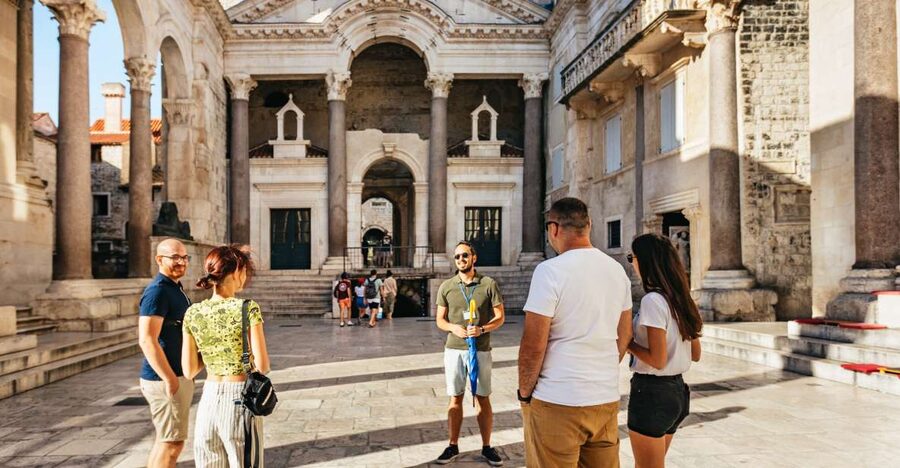
After the palace and landmark stops, you walk along the Riva promenade. This part is less about ancient architecture and more about how Split breathes today. You get views of Marjan Hill and the Adriatic Sea, and it helps you reset your eyes.
This is also where the tour’s pacing makes sense. You finish the heavier historical blocks, then you walk through open space where you can take in the waterfront. If the weather is gray, you still get a proper sense of where the town turns toward the water.
One practical note: you are on foot for the tour, and Riva can be busy depending on the time of day. If you care about photo timing, pay attention to where your guide tells you to stand, then move only when they say. It is the easiest way to get good angles without feeling rushed.
Wine and Food Add-Ons: When a Walking Tour Becomes a Half-Day Outing
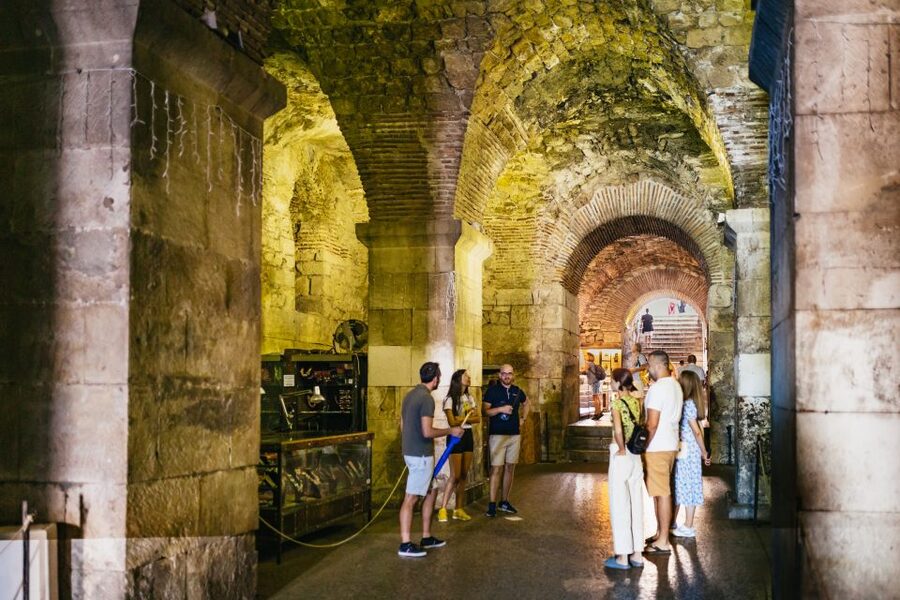
The tour includes wine tasting if you select that option, and it includes food tasting if you select that option. Those add-ons are the reason the stated duration can reach up to 6 hours.
This is the value question: for $17 per person, you are basically paying for a professional guide plus a structured route through the city’s most important landmarks. If you also choose tastings, you effectively add local flavors on top of the walking education.
If you are the type who likes to eat after you learn, the tastings can make the experience feel more complete. If you already have dinner plans, you might prefer the shorter option and use your guide’s restaurant recommendations to choose your own place later.
Also, keep your energy in mind. A longer option means more time on your feet, so build in time afterward to rest.
Price and Value: What You Really Pay For at $17
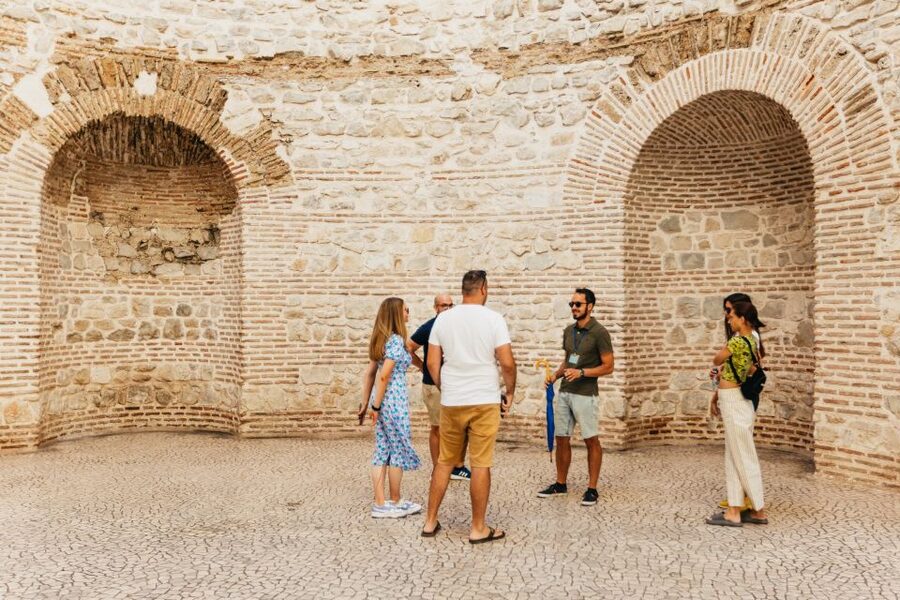
At $17 per person, this is strong value for Split’s centerpiece sites. You are not just paying for access to buildings. You are paying for someone to translate what you are seeing, then connect it to the larger story of how Split formed and evolved.
The reviews are consistent on one point: guides bring more than facts. People mention humor, quick explanations, and practical tips for where to eat and what to do next. That is the difference between walking through impressive stone and walking through a city with context.
There is also a practical benefit to booking instead of piecing things together yourself. If you do it on your own, you might see the cathedral and the palace but miss the way the spaces connect. With a guide, you learn the “route logic” first, then the rest feels easier.
If you are on a tight schedule, this tour is a high-efficiency way to get oriented fast. If you have more time, the longer option with tastings can turn it into a true morning or early afternoon.
Who This Tour Fits Best (And Who Might Skip It)
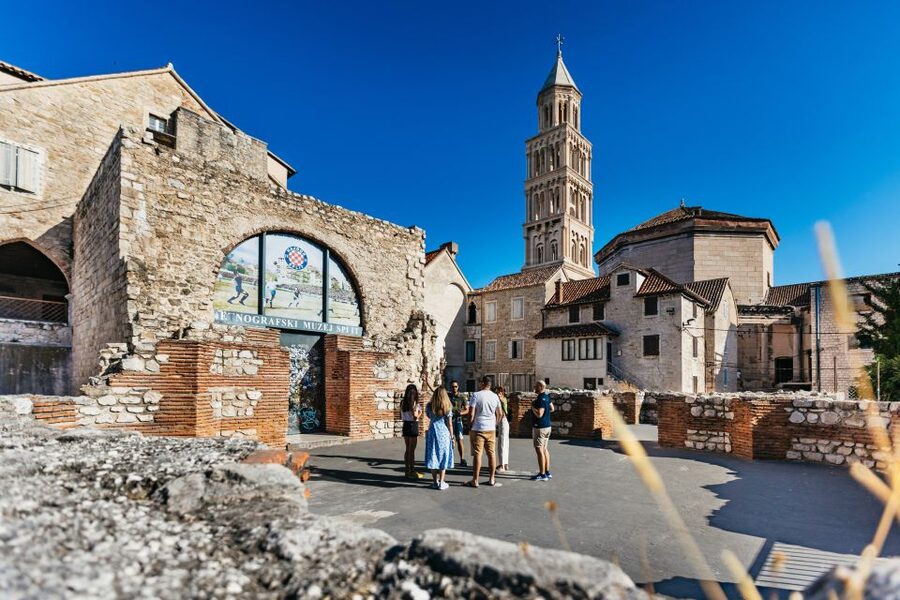
This experience is appropriate for all ages, so it works well for families and multigenerational groups. If you enjoy history but do not want it to feel like a lecture, it also works because the guide-led storytelling is tied directly to what you can see in front of you.
It is not suitable for wheelchair users, so if mobility is an issue, you will need a different plan. If you get tired walking, consider the shorter timing option and bring a little patience for weather changes.
This is also a good pick if you want local restaurant insight. Several guides in recent reviews were praised for offering recommendations and telling you what not to waste time on. That can save you money and stress once you are hungry and deciding fast.
How to Get the Most Out of Your Tour
A few simple habits make the whole thing better.
Wear comfortable clothes and shoes with grip. Split’s Old Town has uneven stones and lots of tight turns. Bring a small layer for wind off the sea, especially if your tour runs closer to the evening.
Arrive a bit early and be ready to start at the Golden Gate. When you are on time, you lose less energy waiting and you gain more time for explanations.
During the tour, ask questions. Recent comments about guides like Mia, Slavko, and Antonia highlight how readily they answered questions and adjusted for the group. If you care about how the palace became the Old Town, that is exactly the right question to ask.
Should You Book This Split Old Town and Diocletian Palace Tour?
Book it if you want an efficient, high-impact way to understand Split’s center. The Diocletian Palace scale plus Saint Domnius Cathedral’s living presence and Gregory of Nin’s local story give you a rare mix: Roman planning, ongoing religious life, and local identity, all connected by walking.
Skip it or consider a shorter version if you cannot do a lot of walking, since this tour is not wheelchair friendly and you will be moving through historic streets. Also, if you already plan to spend hours reading on your own, you might not get as much value from the guide translation.
If you are unsure, this is one of those situations where a guide is the difference between seeing sights and understanding them. For $17, that is a pretty convincing deal.
FAQ
Where does the tour start?
The tour starts at the Golden Gate of the Diocletian Palace. The exact meeting point may vary depending on the option you book.
How long is the Split Old Town and Diocletian Palace walking tour?
The duration is listed as 90 minutes to 6 hours. Check availability to see starting times.
Is hotel pickup included?
No, hotel pickup is not included.
What is included in the price?
The tour includes a local guide and a walking tour. Wine tasting or food tasting are included only if you select those options.
What languages are offered?
The live tour guide is available in English, Italian, Spanish, German, and French.
Is the tour appropriate for children and all ages?
Yes. The tour is appropriate for all ages.
What should I wear or bring?
Bring comfortable clothes, and wear comfortable shoes since it is a walking tour.
Is the tour wheelchair accessible?
No. It is not suitable for wheelchair users.
If you tell me your travel dates and whether you want the wine or food add-on, I can help you pick the best length option for your day.
Fresh options around Split
- Small-Group Communist Tour of Split – Boutique group tour★ 5.0 · 7 reviews
- Controversies behind Split and Croatia-Anthropologist guide★ 5.0 · 59 reviews
- Split City Tour By Electric Rickshaw┃Riva Ride★ 5.0 · 50 reviews
- Coffee, storytelling & walk – The best private tour of Split★ 5.0 · 46 reviews
- Chill Private Walking Tour of Diocletian’s Palace★ 5.0 · 35 reviews
- Canyoning basic on Cetina river from Omiš★ 5.0 · 66 reviews
- River Rafting from Split- Cliff Jumping- Cave Visit★ 5.0 · 90 reviews
- Private Split City Walking Tour – Spanish Guide★ 4.5 · 12 reviews
Diocletian's Palace Tours, compared.
Walking Tour of Split and Diocletian’s Palace
Read our review →
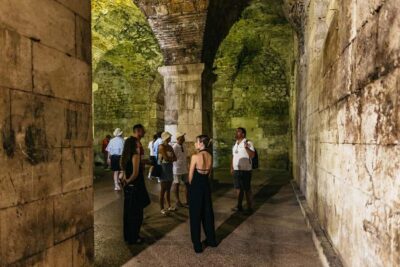
Diocletian Palace & Old Town Guided Walking Tour
Read our review →
Game of Thrones Tour with Diocletian’s Palace Cellar
Read our review →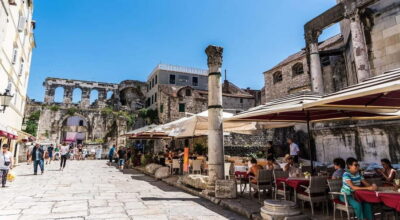
Diocletian’s Palace and Old Town SMALL GROUP Walking Tour
Read our review →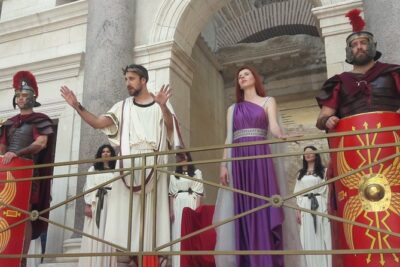
PRIVATE Walking Tour of Diocletian’s Palace & Old Town
Read our review →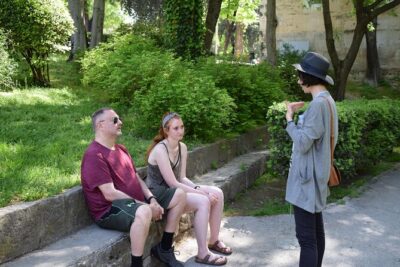

Browse the lists this tour appears in