
Reviewed · OLD TOWN WALKING TOURS
Discover The Old Town Split 1.5h walking Small group tour
Split’s Old Town is interesting because it reads like a timeline you can walk through. In just 90 minutes, you move from the scale of a Roman emperor’s palace to the quieter, human pace of medieval streets and squares. I love how the route starts at the heart of Diocletian’s Palace and I also like the way your guide connects it to the UNESCO-listed city center. One consideration: it’s a steady walking tour, and it’s not wheelchair accessible, so comfortable shoes matter.
What makes it work so well is the focus on interpretation, not rushing. You’ll get a professional licensed local guide, and the best ones, like Aneka or Anita, bring the stories to life with humor and local color. Still, monument entrances are optional, so if you want full-on ticketed highlights and long viewing time, plan to add time on your own afterward.
Key highlights to look for
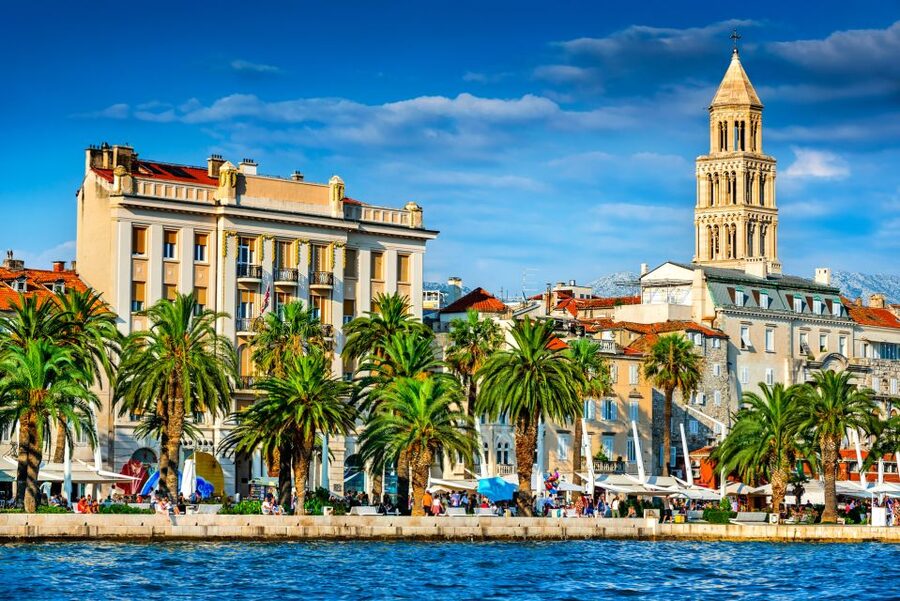
- Diocletian’s Palace ruins right on the harbor: stone fortress atmosphere and Roman layout clues
- Cathedral of St Doimus as the mausoleum site: the Roman story lands in a living landmark
- UNESCO city-center storytelling: you learn how Roman and medieval Split fit together
- Narrow lanes and lively squares: cafés and souvenir-lined streets without the guesswork
- Guides who tailor and slow down when needed: examples include Marko, Roko, and Ina
How This 90-Minute Old Town Split Walk Really Flows
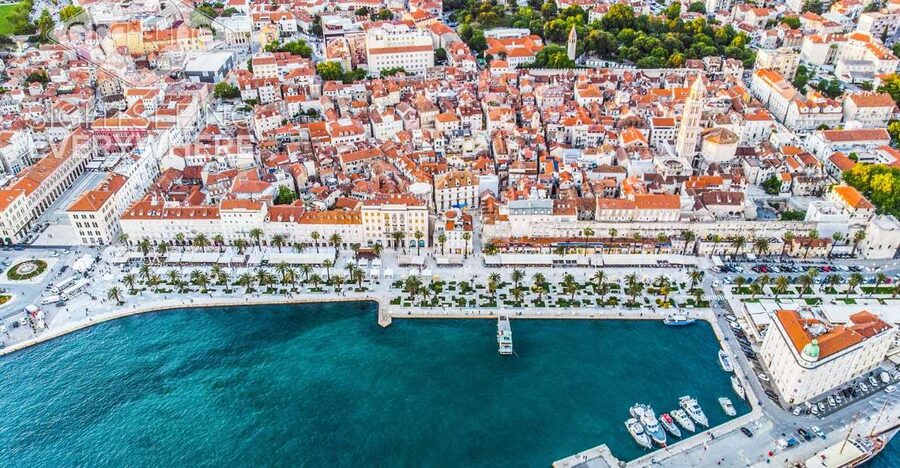
This is built as a short, high-impact walk through central Split. You’re out for about 90 minutes, in English, with a professional licensed local guide. The structure is simple: start near the harbor-facing palace, then move through the Old Town streets and key Roman-to-medieval points.
The big value is that you are not just seeing the city, you’re getting a framework for it. When you understand what Diocletian built, you start noticing the details that would otherwise look random: the way walls and courtyards shape movement, or why certain landmarks sit where they do. That is what makes a “small” tour feel worth it.
Do note one practical detail. Your time is tight enough that you will mostly look from the outside and at accessible interior spaces, not linger for hours. Also, some guides may run a bit longer if the conversation is lively, but you should still plan around a 1.5-hour pace.
More walking tours of Split:
- Split: Old Town and Diocletian Palace Walking Tour
★ 4.9 · 4,727 reviews - Walking Tour of Split and Diocletian’s Palace
★ 5.0 · 2,588 reviews - Krka Waterfalls tour with Trogir Walking tour and Krka panoramic boat cruise
★ 5.0 · 1,659 reviews
Getting Oriented at the Riva Promenade Meeting Point
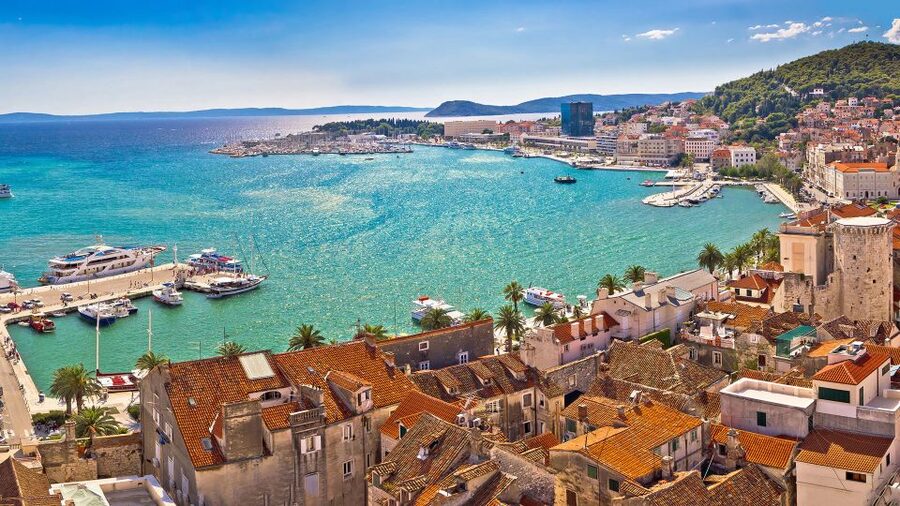
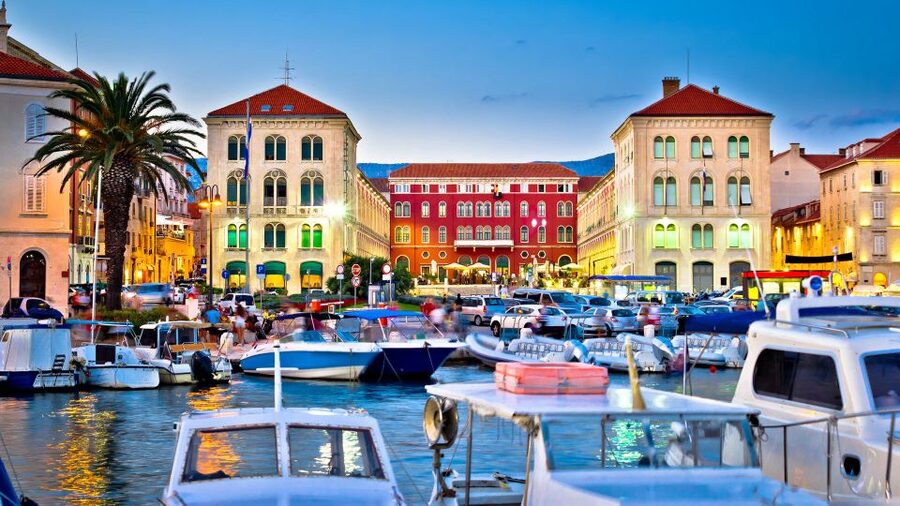
You meet the local supplier on the famous Riva promenade. The listed address is Obala Hrvatskog narodnog preporoda 21, 21000 Split, Croatia. Arrive about 15 minutes early for check-in and look for a sign from the supplier, plus staff wearing t-shirts with the same logo.
This matters more than it sounds. Split’s Old Town can feel like a maze the first time you arrive, and the harbor area is where everything clicks into place. Starting on the promenade also helps you orient your bearings fast, because you can see the palace area from the outside before you start weaving through the streets.
Diocletian’s Palace: Roman Fortress Life in the Middle of Town
The tour’s center of gravity is the Palace of the Roman Emperor Diocletian. Even if you have walked past Roman ruins elsewhere in Europe, Split’s version is special because it’s not a distant archeological site. It is part of the everyday city fabric.
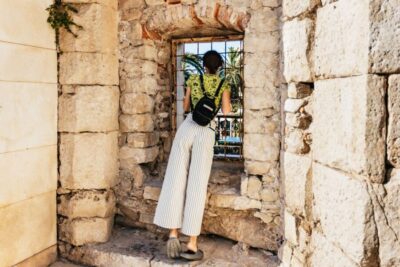
From the start, the guide helps you understand what you’re looking at. The palace faces the harbor and is one of the most imposing Roman ruins still standing. As you move closer, you get a sense of the stone fortress logic: where the defensive feeling comes from, and how the palace layout shaped later street life.
You’ll also see elements tied to the palace’s interior life, including cellars and the peristyle courtyard. Those aren’t just “cool Roman words,” they help you imagine how power functioned. A peristyle courtyard is about light, air, and movement around living and administrative spaces. Once you’ve heard that framing, you start reading the palace like a blueprint.
Practical tip: bring your phone battery. This is one of those places where the first photos will make you want a second round once you understand the layout.
Narrow Streets and Squares: Where the Roman Plan Meets Daily Life
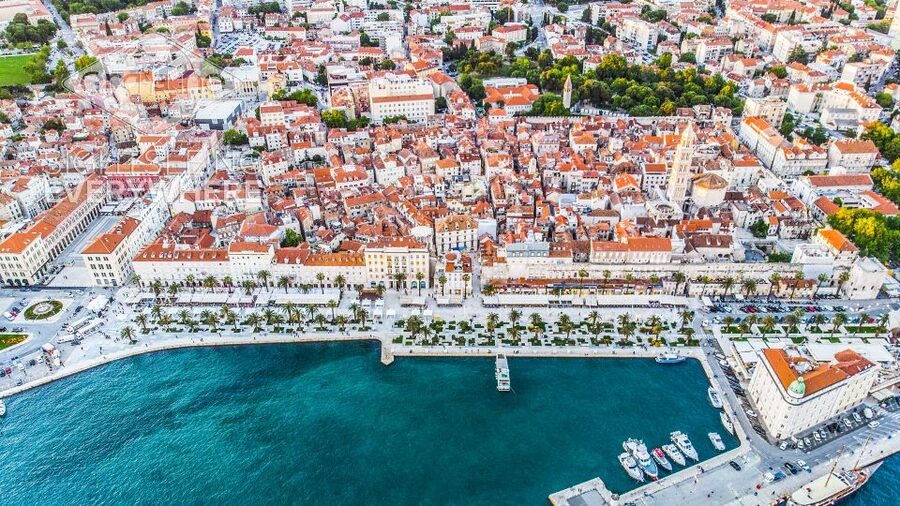
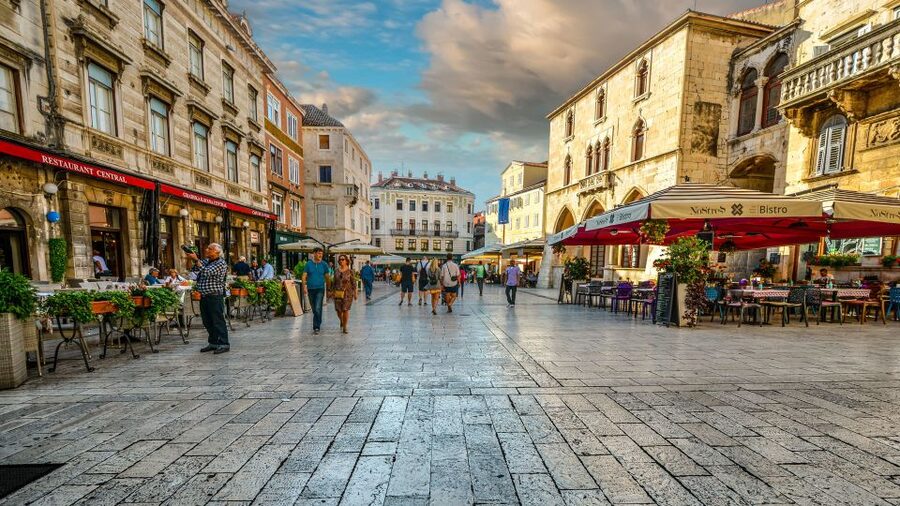
After the palace, the walk turns into the charm and mess of real Old Town Split. You head through narrow, picturesque streets where you’ll notice the contrast between Roman structure and later medieval street patterns.
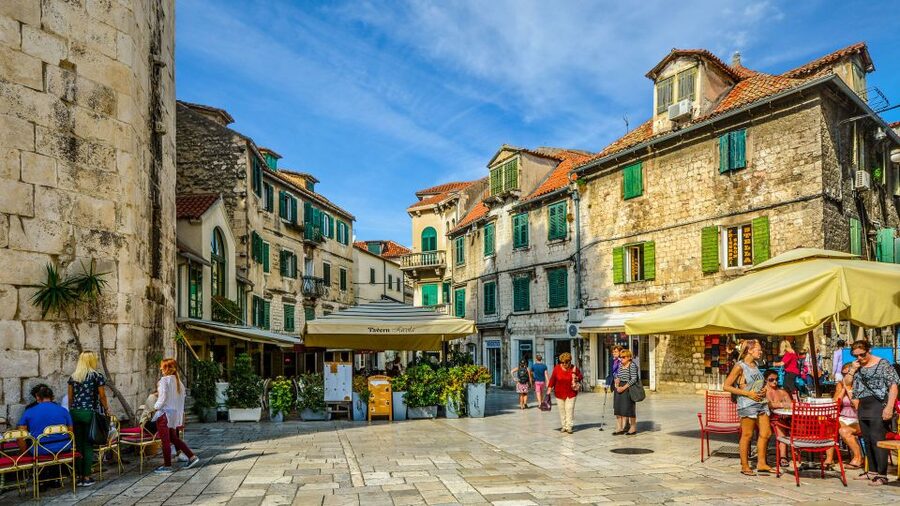
The tour also leans into the Mediterranean atmosphere. You’ll pass squares and street corners lined with cafés and souvenir stores, and your guide uses those everyday sights to tell a bigger story: how Split became the city it is, without pretending the past is gone.
This part is especially good if you like context. Instead of treating the city as a checklist of sights, you get a connected explanation. The UNESCO element is part of the point. You learn what makes the Old Town center worthy of that protected status, and you start to see how Roman and medieval layers overlap rather than separate neatly.
One small drawback: because this is a walking tour through commercial streets, it’s not a quiet retreat. If you’re looking for solitude, bring patience for crowds and shop-front noise, especially in peak hours.
Same stretch of the Dalmatian coast, a different kind of day:
- Split: Krka Waterfalls Trip with Boat Cruise and Swimming
★ 4.8 · 10,519 reviews - From Split: Krka Waterfalls, Food & Wine Tasting Tour
★ 5.0 · 9,326 reviews - Blue cave, Mamma Mia and Hvar, 5 islands speedboat tour
★ 5.0 · 7,150 reviews - From Split: Krka Waterfalls, Food & Wine Tasting Tour
★ 4.9 · 6,598 reviews
The Cathedral of St Doimus: Diocletian’s Mausoleum Story Comes Full Circle

One of the most memorable stops is the Cathedral of St Doimus, tied to the site of the emperor’s mausoleum. This is where Split’s story stops being a Roman history lesson and becomes a place you can still visit in a living setting.
The guide’s job here is to connect the dots. Once you understand that this cathedral area traces back to Diocletian’s final resting place, the whole “fortress to faith landmark” transition makes sense. You’re not just staring at a building, you’re watching history get reused.
This stop also changes the tour’s mood in a good way. The palace can feel monumental and engineered. A cathedral brings in the human scale: how centuries of city life gathered around religious and civic space.
If you’re the type who enjoys moments of historical continuity, this is the payoff stop. It gives you a strong ending note for the tour’s Roman-to-medieval narrative arc.
Optional Monument Entrance Fees: How to Decide Without Overpaying
Entrance fees are not included, so monument entries are optional. That’s actually a smart setup for most people. It means you can match your time and budget to what you personally care about.
Here’s how to think about it during the walk:
- If something looks like it will explain the big picture, consider paying for that extra access.
- If you’re short on time or just want the exterior and the guide’s interpretation, you can often pass and keep moving.
- If you’re on a tighter budget, you can focus on the “included” viewing moments and save paid entries for later.
Also, some guides have shared practical value beyond pure sightseeing. For example, guides like Daniella and others have been mentioned as passing along discounts, which can soften the cost if you do decide to enter a monument.
Don’t feel pressured. The tour is still designed to make sense even if you keep it mostly free-to-view.
Guides Who Turn Stones Into a Story (Not Just Facts)

The reviews for this kind of tour usually boil down to one thing: how good is the guide. Here, that part is consistently strong.
I particularly liked the pattern behind the best experiences:
- Guides who answer questions clearly and adapt on the fly
- Guides who use humor so the history doesn’t feel like a lecture
- Guides who slow down or reposition when the heat hits
You’ll see that reflected in guide examples like Marko, who communicated well and even tailored remarks to what people cared about. Robin noted that their guide found more comfortable spots, including shady places to stand or sit. Ina stood out for blending city origins from Roman times through the medieval period, with attention to heat and shade. And Aneka was highlighted for being personable, clear in communication, and full of local knowledge, plus a good sense of humor.
It’s also worth mentioning the range of guiding styles. Some guides, like Ina (an archaeologist by the accounts you provided), lean more academic. Others, like Roko or Toni, add pop culture or present-day context and restaurant recommendations. If you enjoy a guide who connects past and present, this tour often hits the sweet spot.
Comfort, Timing, and Who This Tour Suits Best

You should bring comfortable shoes. The walk covers Old Town terrain, and you’re moving between different areas without a long sit-down break. That’s part of the charm, but it’s also why mobility matters.
This tour is not wheelchair accessible. Pets are not allowed. Children must be accompanied by an adult. The guide can shape the pace, but the format remains a walking experience.
Timing is another factor. Split’s heat can be real, and multiple guides were praised for managing comfort with shade. Still, I’d plan your day with the understanding that this is outdoors for most of the time. If you’re sensitive to sun, wear light layers and bring water.
Who it suits:
- First-timers who want a fast orientation to Split’s UNESCO core
- People who like Roman history but don’t want to spend half a day reading plaques
- Anyone who prefers a guide to point out what’s worth noticing
Who might skip:
- If you need step-free mobility
- If you want lots of long, ticketed interior time at multiple monuments
Price and Value: Why $29 Makes Sense for This Format
At about $29 per person for a 90-minute guided walk, the value is in interpretation. You are paying for a licensed local guide who can do two important jobs at once: explain Roman context and connect it to what you can still see today.
If you try to do this route on your own, you can still enjoy the architecture, but you’ll likely miss the “why.” With a guide, the palace cellars, courtyards, and the St Doimus mausoleum connection land with meaning, not just aesthetics.
Also, because entrance fees are optional, you can keep costs controlled. You’re not locked into a ticket package to get the core experience. For many travelers, that flexibility turns a “budget-friendly” price into a genuinely comfortable value.
If you enjoy history but you’re traveling on time limits, this price point is exactly where guided walking tours tend to work best.
Should You Book This Old Town Split Walking Tour?
Book it if you want a guided way to understand Diocletian’s Palace and the St Doimus mausoleum connection without spending all day. It’s ideal when you have limited time, you want orientation, and you like learning how UNESCO city centers actually work.
Skip it if mobility is an issue (it is not wheelchair accessible) or if you want a long, museum-style visit with multiple paid entrances. Also, if you’re coming for quiet solitude, the Old Town streets will feel like a lively place, not a calm retreat.
If you’re on the fence, my simple rule is this: if you want your Roman ruins with an explanation that makes you look twice, this tour is a strong match.
FAQ
How long is the Old Town Split walking tour?
The tour duration is 90 minutes.
What is the price per person?
The price is listed as $29 per person.
Is the tour offered in English?
Yes, the live tour guide speaks English.
Where do I meet the guide?
You meet at the local supplier’s office on the Riva promenade at Obala Hrvatskog narodnog preporoda 21, 21000 Split, Croatia. Look for the local supplier’s sign and staff in t-shirts with the same sign.
When should I arrive for check-in?
Please arrive 15 minutes prior to your tour departure.
Are entrance fees included?
No. Entrance fees are not included, and monument entrances are optional.
What should I bring?
Wear comfortable shoes.
Are pets allowed?
No, pets are not allowed.
Is the tour wheelchair accessible?
No, the tour is not wheelchair accessible.
Is there free cancellation?
Yes. You can cancel up to 24 hours in advance for a full refund.
Fresh options around Split
- Small-Group Communist Tour of Split – Boutique group tour★ 5.0 · 7 reviews
- Controversies behind Split and Croatia-Anthropologist guide★ 5.0 · 59 reviews
- Split City Tour By Electric Rickshaw┃Riva Ride★ 5.0 · 50 reviews
- Coffee, storytelling & walk – The best private tour of Split★ 5.0 · 46 reviews
- Chill Private Walking Tour of Diocletian’s Palace★ 5.0 · 35 reviews
- Canyoning basic on Cetina river from Omiš★ 5.0 · 66 reviews
- River Rafting from Split- Cliff Jumping- Cave Visit★ 5.0 · 90 reviews
- Private Split City Walking Tour – Spanish Guide★ 4.5 · 12 reviews
Old Town Walking Tours, compared.
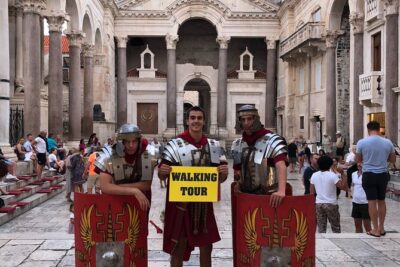
Walking Tour of Split and Diocletian’s Palace
Read our review →
Krka Waterfalls tour with Trogir Walking tour and Krka panoramic boat cruise
Read our review →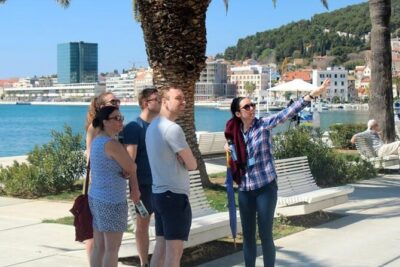
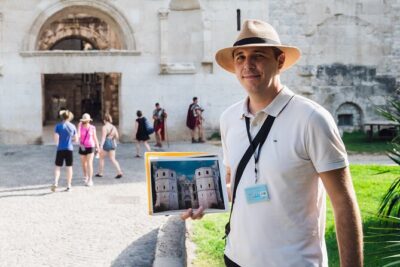
Walking Tour of Split with a ‘Magister’ of History
Read our review →
Plitvice Lakes: Guided Walking Tour with Train and Boat Ride
Read our review →
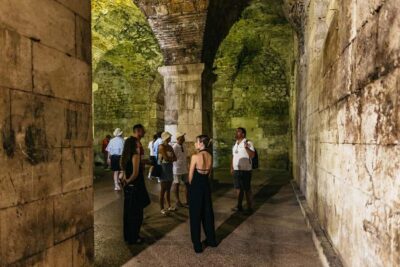
Diocletian Palace & Old Town Guided Walking Tour
Read our review →Browse the lists this tour appears in