
Reviewed · TROGIR TOURS
Nocturnal Tours Trogir & Split – Myths and Legends of Old Trogir Tour
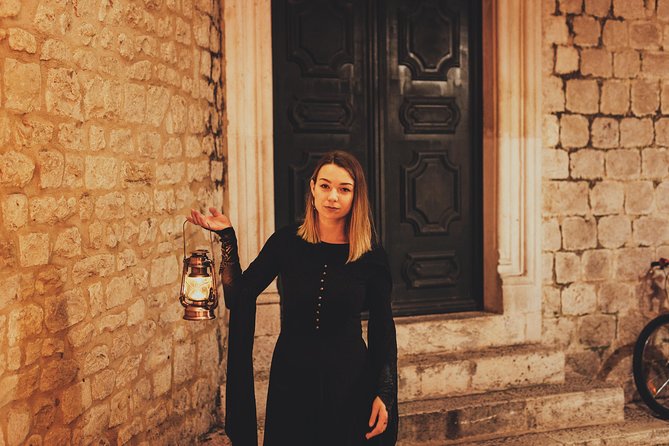
Old Trogir at night has a special pull, and this walk leans into it with lantern-lit storytelling that turns familiar stone streets into scenes from the past. I like that it keeps the group moving at a human pace, with a small-group feel so you can actually hear the stories and see where you’re walking.
One thing to consider: this isn’t a quiet, museum-style history lesson. The focus is on dark legends, superstitions, and theatrical character moments, so if you prefer straightforward facts with minimal drama, you might find the mood a bit spooky.
Key highlights worth making time for
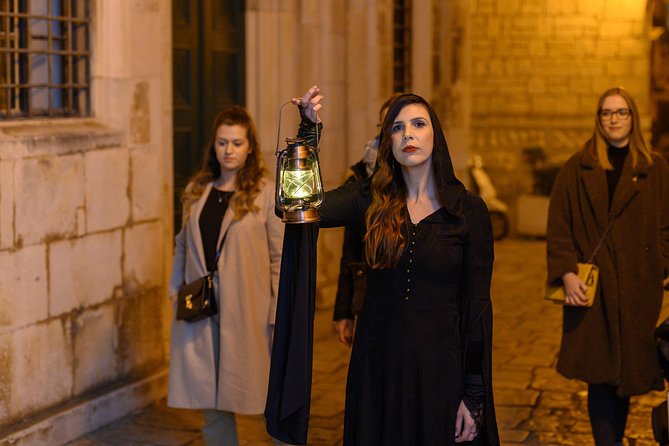
- Lantern-led route through the historic core, built for night atmosphere and easy navigation
- Small group size (capped around 8, up to 10), which helps the guide keep the story thread tight
- Theatrical guiding style, including a shift between friendly speaking and spooky character work
- Major medieval themes in short stops, like Black Death fears, witchcraft, the plague, and harsh punishments
- Worth the money for the time spent, since it’s about 1 hour and includes lantern guided narrative at multiple landmark points
- A memorable sequence of places, from city gates and fortress walls to a monastery tied to the ancient relief Kairos
Entering Old Trogir by lantern, not by checklist
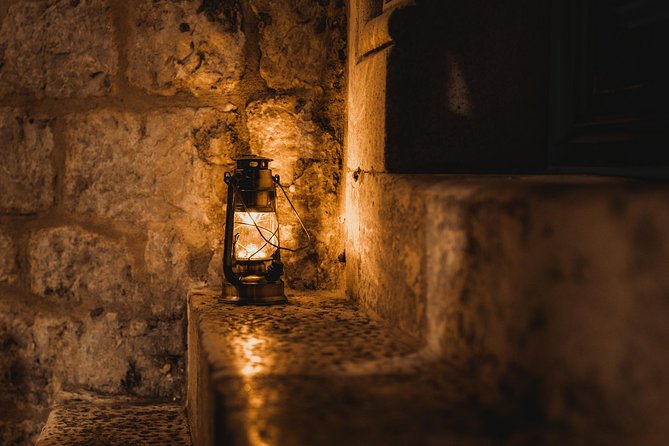
This is the kind of tour that makes night in Trogir feel like part of the experience, not just the time of day. You start walking through narrow lanes and stone passages with lantern light, and that simple setup changes how the town reads. The medieval streets, doors, and gates feel closer to the stories than they do in daylight.
The content is story-forward: noblemen, intrigues, broken hearts, murders, revenge. Instead of jumping from sight to sight like a photo scavenger hunt, the guide uses location cues to give the town a timeline, then adds supernatural and “watch out for this” elements that were once part of everyday thinking.
If you like places with personality, this fits. It’s also a good reset after a day of beaches and boat rides, because you get walking, atmosphere, and a clear route without having to plan anything in advance.
More Trogir departures and old-town time:
- Split/Trogir: Blue Cave, Mamma Mia, Hvar and 5 Island Tour
★ 4.6 · 6,320 reviews - Blue cave, Mama Mia and Hvar, 5 island speedboat tour from Trogir
★ 5.0 · 2,861 reviews - Krka Waterfalls Day Tour with Boat Ride from Split and Trogir
★ 5.0 · 2,134 reviews
Small-group tour at night: why the cap matters
There’s a reason this is sold as a small group. At night, the town is darker, streets are narrower, and everyone naturally slows down. With a maximum of 10 people listed for the experience, the guide can keep the pace comfortable, stop at the right moments, and still make sure you don’t lose the storyline.
Some details also mention a guaranteed small group with a maximum of 8 travelers. Either way, the main point for you is the same: fewer people means less crowd noise and more chance to actually track what the guide is showing you on the street.
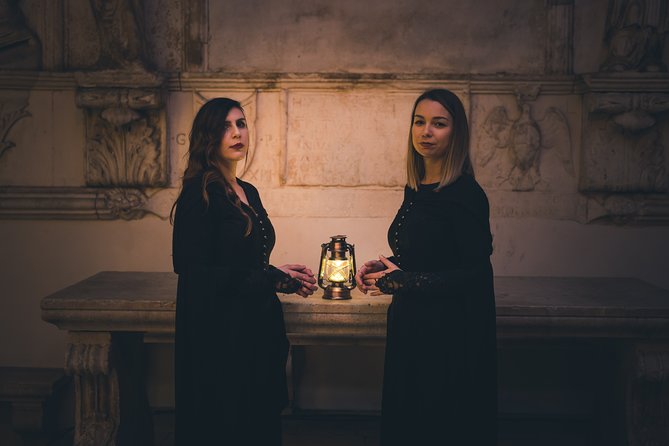
You’ll also feel it in the guide interaction. Multiple guides are mentioned by name in the feedback, including Doris and Jelena (spelled both Jelena and Jelana in different accounts). When a guide has acting talent, small-group dynamics help that performance land well instead of turning into a loud show that drowns out conversation.
Price and value: what $28.83 buys you in Trogir time
At about $28.83 per person for roughly 1 hour (around 1.25 hours in practice), you’re paying for guided nighttime storytelling across several landmark stops. You’re not buying multiple paid museum entries. The stops are described as admission ticket free, which matters because it keeps the experience simple and focused on the walk.
For value, I’d look at three things:
- You get multiple meaningful points in one evening, not just one “photo stop with a few facts.”
- The guide is the product, especially if you enjoy theatrical storytelling.
- You’re not on the hook for extra ticket costs at each stop.
If you’re the type of traveler who only wants strict dates, famous names, and a map-based itinerary, you may feel the price is too story-heavy. But if you want the town to feel alive after dark, this is priced like a fun, high-impact night activity rather than a long, expensive guided excursion.
Stop 1: Historic City of Trogir under lantern light
This is where the tour sets its tone. You’re guided through the Historic City of Trogir at night, moving through narrow streets and stone paths tied to Greek colonists from the 3rd century BC, then later Hellenistic and Roman layers. The guide frames the town as a place where old spirits and old habits still feel present in the walls.
This first segment is also where the legends land hardest. You get stories that range from romance and intrigue to violence and revenge. The goal isn’t just to scare you, it’s to help you understand why people in medieval times would interpret misfortune in mythic ways.
Time on this stop is about 20 minutes, which is a solid chunk for getting oriented. You’ll come away with a mental map of the town’s core, plus an idea of what kind of stories the guide will continue weaving as you move.
Practical note: since this is a walking tour, you’ll want comfortable shoes. The route is paced like a ramble, not a sprint, but it’s still nighttime footing on old streets.
Same stretch of the Dalmatian coast, a different kind of day:
- Krka Waterfalls tour with Trogir Walking tour and Krka panoramic boat cruise
★ 5.0 · 1,659 reviews - Krka National Park Tour with tour Guide & Wine tasting from Split & Trogir
★ 5.0 · 1,625 reviews - Hvar, Brač & Pakleni islands cruise with lunch & drinks from Split & Trogir
★ 4.5 · 1,452 reviews - Mostar and Herzegovina Tour with Kravica Waterfall from Split & Trogir
★ 5.0 · 1,217 reviews
Stop 2: North Gate and the fears of medieval life
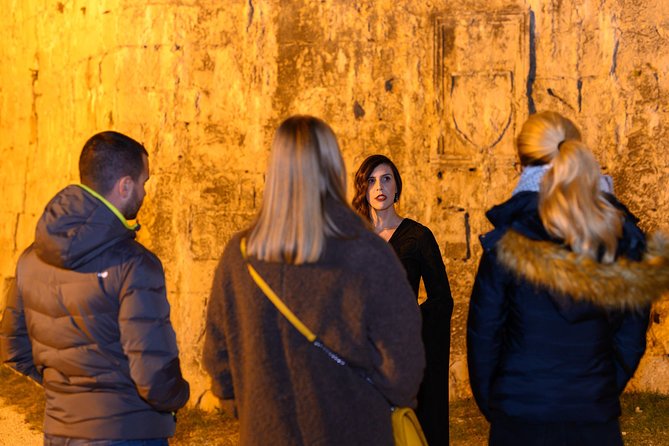
Next you pass through the North Gate, which the guide treats like a threshold into the medieval town. This stop is short, about 5 minutes, so think of it as a “loading screen” for the mood shift.
Here the stories turn toward darker themes: Black Death anxieties, beliefs around witchcraft, superstitions, and slavery. The guide’s lantern guidance is also practical. You’re told, follow the light, and that line is more than a gimmick. In a dim historic center, having a clear lead makes it easier to enjoy the story rather than constantly wonder where the group went.
If you like when a tour connects legends to real fear patterns, this gate stop does the job quickly. It gives you context for why superstition might spread and why some places became associated with bad luck.
Stop 3: Kula Karmelengo, love and despair in fortress walls
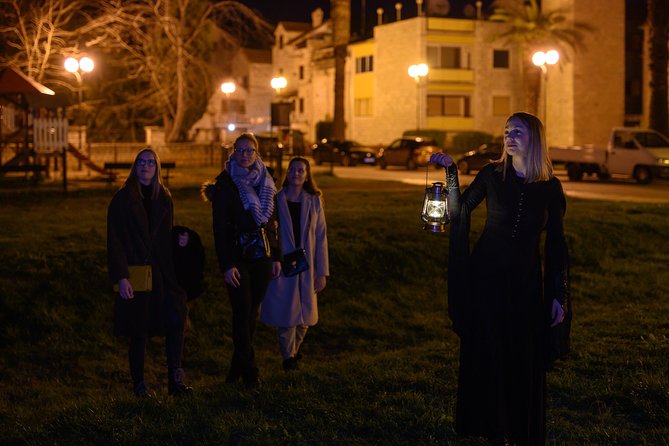
Kula Karmelengo adds a different texture because it’s fortress-focused. You’re at a breathtaking medieval fortress, and the story is built around “great love and even greater despair.”
This stop is about 10 minutes, which is enough time to absorb the mood and then keep moving. Fortresses can feel intimidating in daylight, but at night they become theatrical. You’re not just looking at walls, you’re hearing why those walls mattered to people with something to hide, protect, or mourn.
Expect the guide to use the setting to make the legend feel personal. If you enjoy the emotional angle in stories, this is one of the more memorable moments in the middle of the walk.
Stop 4: The Benedictine Monastery of Saint Nikola and the nuns of Trogir
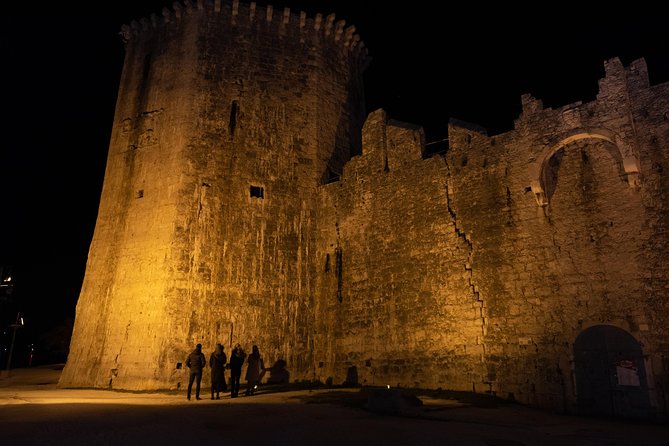
This part is special because it connects ancient art to living tradition. You stop at Kairos Collection, linked to the Benedictine Monastery of Saint Nikola, described as the oldest Monastery of that kind still active.
The tour explains that the monastery is associated with Koludrice of Trogir, nuns who spend their life behind the walls and do not get out. You also get a specific anchor for the ancient past: the sculptural relief Kairos, dated to the 3rd century BC, which is presented as the most important symbol kept from the city’s foundation period.
Time here is about 10 minutes, and it works because the guide doesn’t just say words. The contrast is strong: quiet religious space, then the ancient relief that predates medieval fears by centuries. You see how the tour balances legend with something more grounded in art and ongoing life.
One consideration: because it’s a monastery-related stop, keep your tone respectful and follow the guide’s lead. Even if the tour has theatrical elements, this segment needs calm attention.
Stop 5: Central Square and the plague story of Marin Kjudis
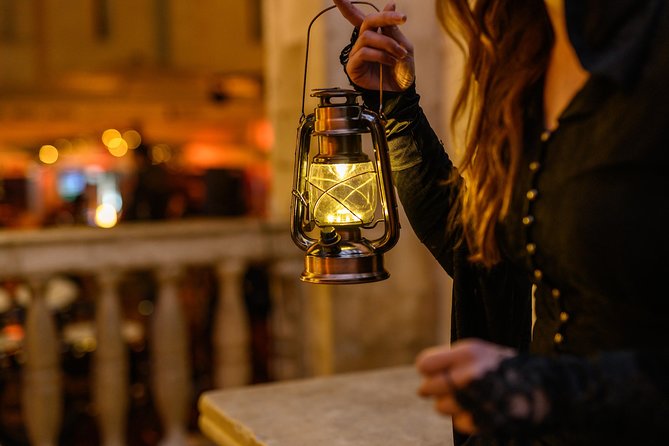
The tour then moves to the Central Square in Trogir, where it shifts from general fear to a pointed narrative: the story of Marin Kjudis, described as a hero and also the unintentional causer of a plague outbreak in Trogir.
Time is about 10 minutes, so again this is story-focused rather than a long lecture. But the way the tour presents a mix of heroism and unintended harm is exactly what makes medieval legends stick. It’s not always evil villains. Sometimes it’s tragic consequences, rumor, and the way one event can reshape a community’s beliefs.
If you’re trying to understand how myths spread, this stop is a good example. It helps you see the human logic behind why communities might latch onto a single figure to explain a catastrophe.
Stop 6: Loggia doorway, the Pillar of Shame, and medieval punishments
The final major stop is the Loggia doorway, with a darker Middle Ages theme. The guide talks about punishments for felons, thieves, pyromancers, killers, and traitors, including the Pillar of Shame where the convict was publicly displayed.
Time here is about 15 minutes, making it the longer wrap-up stop. It’s also one of the most vivid moments, because you’re finishing the tour with a tangible sense of public justice.
For you, this ending matters because it completes the emotional arc. The tour starts with legends and personal drama, moves through fear and superstition, then lands on how society responded when people were blamed for harm. It helps connect the “story” of the town to the “system” of the town.
If you’re sensitive to grim themes, you may want to mentally brace for it. The tour is not gory, but it does lean into punishment and public humiliation as part of the medieval world.
Where the walk starts and ends
You begin at Ul. Gradska vrata 6, 21220, Trogir, Croatia. The route finishes near St. Lawrence’s Cathedral, Trg Ivana Pavla II, 21220, Trogir, Croatia.
For practical planning, this end point is useful. After the tour you’re already near a central landmark, so it’s easier to head back to dinner or to connect with other evening plans without backtracking through the whole old town.
What to expect from the guide and the tone
This tour is built around a passionate local guide, and the storytelling has a performance edge. Multiple named guides are cited, including Doris and Jelena/Jelana. What comes through in the accounts is that the guide shifts between a friendly approach and a spooky character delivery, while still keeping the group on track.
The best match is for people who enjoy:
- stories with atmosphere
- a guided walk where you learn while moving
- a night activity that feels like an experience, not just facts on a script
If you want a calm, strictly chronological overview of architectural styles, you might feel the focus is more narrative than academic. But the structure still gives you a clear route, and you’ll leave with both place memory and story memory.
Quick practical tips for a smooth night walk
A few small things will make the tour feel better, even if you’re traveling solo:
- Wear comfortable shoes for uneven old-street walking at night.
- Keep an eye on your group and follow the guide’s lantern cues, especially during the short transitions.
- Bring a layer. Nights can cool down, and the tour is outdoors for the full walk.
- The tour requires good weather. If weather is poor, you’ll be offered a different date or a full refund.
On logistics that matter for planning: you’ll get a mobile ticket, the tour is offered in English, and service animals are allowed. It’s also described as suitable for most people.
Should you book Nocturnal Tours Trogir & Split: Myths and Legends of Old Trogir?
I’d book this if you want your evening in Trogir to feel story-driven and alive. It’s a short walk that covers several meaningful stops, and it uses night lighting and theatrical guide work to make the town easier to remember.
Skip it if you prefer quiet tours that stick to straightforward historical facts and you don’t want any spooky, dramatic tone. The experience is clearly designed around legends, superstitions, plague fear, and medieval punishment themes, so it has a mood.
If you’re on the fence, think about your timing. If you already plan daytime sightseeing, this is a smart night pairing because it gives you a different side of Trogir with a clear route and no extra admission costs at the stops.
FAQ
How long is the Nocturnal Tours Trogir & Split Myths and Legends of Old Trogir tour?
It runs for about 1 hour (approx.), and it may feel closer to around 1.25 hours depending on the pace of the group and storytelling.
What language is the tour offered in?
The tour is offered in English.
What is the group size limit?
The experience is described as a guaranteed small-group tour with a maximum of 8 travelers, and it also lists a maximum of 10 travelers.
Where does the tour start and where does it end?
It starts at Ul. Gradska vrata 6, 21220, Trogir and ends at St. Lawrence’s Cathedral, Trg Ivana Pavla II, 21220, Trogir.
Are there any admission tickets needed for the stops?
The stops are described as admission ticket free.
What ticket do I need, and can I use my phone?
You get a mobile ticket.
Is the tour suitable for most people?
The tour says most travelers can participate.
What happens if the weather is bad?
The tour requires good weather. If it’s canceled due to poor weather, you’ll be offered a different date or a full refund.
Can service animals join the tour?
Yes, service animals are allowed.
How far in advance do people usually book it?
On average, it is booked about 22 days in advance.
Fresh options around Trogir
- Trogir: White Lagoon, Maslinica & Blue Lagoon Speedboat Tour★ 4.8 · 11 reviews
- Trogir: Old Town Guided Walking Tour★ 4.6 · 76 reviews
- Trogir; Private walking tour of higlights of Trogir★ 4.7 · 3 reviews
- Split: Trogir Open Top Bus Trip + Free Split Walking Tour★ 4.1 · 17 reviews
- Trogir 1.5-Hour City Tour★ 4.4 · 37 reviews
- Trogir: Blue Lagoon, Maslinica, and Solinska Bay Boat Tour★ 4.9 · 88 reviews
- From Split or Trogir: Tour to Mostar and Kravice Waterfalls★ 4.3 · 4 reviews
- Trogir Boat Tour To Secret Underwater Museum★ 5.0 · 50 reviews
Trogir Tours, compared.
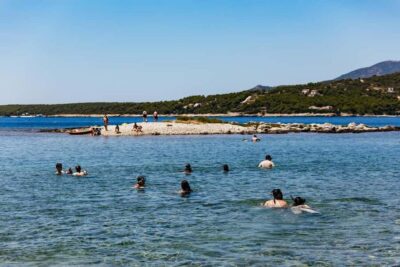
Blue Cave, Mamma Mia, Hvar and 5 Island Tour
Read our review →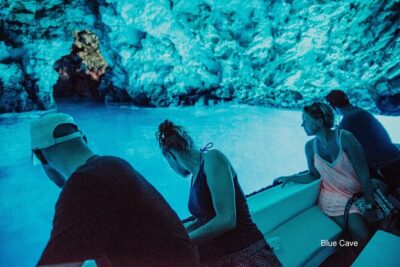
Blue cave, Mama Mia and Hvar, 5 island speedboat tour from Trogir
Read our review →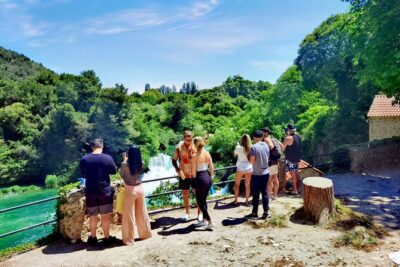
Krka Waterfalls Day Tour with Boat Ride from Split and Trogir
Read our review →
Krka Waterfalls tour with Trogir Walking tour and Krka panoramic boat cruise
Read our review →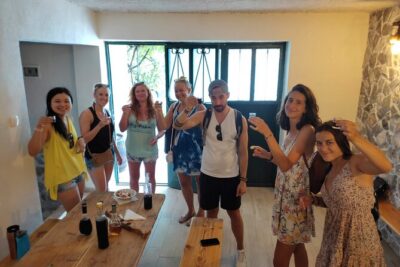
Krka National Park Tour with tour Guide & Wine tasting from Split & Trogir
Read our review →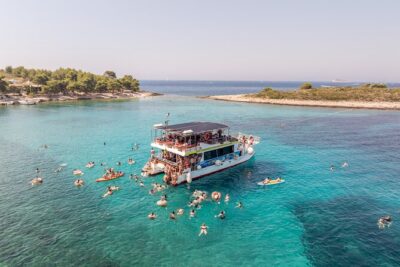
Hvar, Brač & Pakleni islands cruise with lunch & drinks from Split & Trogir
Read our review →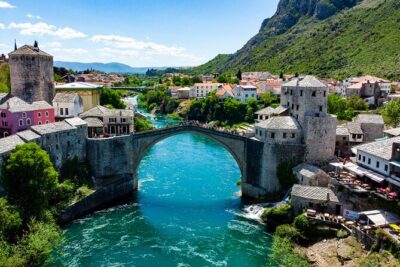
Mostar and Herzegovina Tour with Kravica Waterfall from Split & Trogir
Read our review →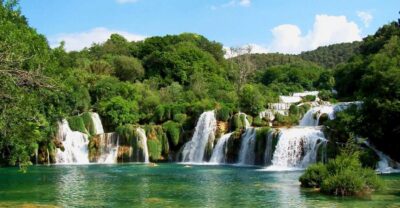
Browse the lists this tour appears in