
Reviewed · HISTORICAL TOURS
Split: Private Roman History & Market Tour
If you want the real Split, this is a smart way to get it fast. You walk inside Diocletian’s Palace, then you head straight to the Green Market, where the stories connect to what locals actually buy and eat. It’s a history tour with teeth, not a museum lecture.
I like two things a lot. First, the small-group pace through Diocletian’s preserved Roman walls makes the place feel lived-in, not staged. Second, the market stop is built around seasonal tastings and how locals shop, so you leave with flavors and context, not just photos.
One thing to consider: some major palace sights and museums are not included (like the cathedral and underground areas). If those interiors matter to you, you may want to budget extra entrance fees or pair this with another visit.
Key highlights you will actually feel
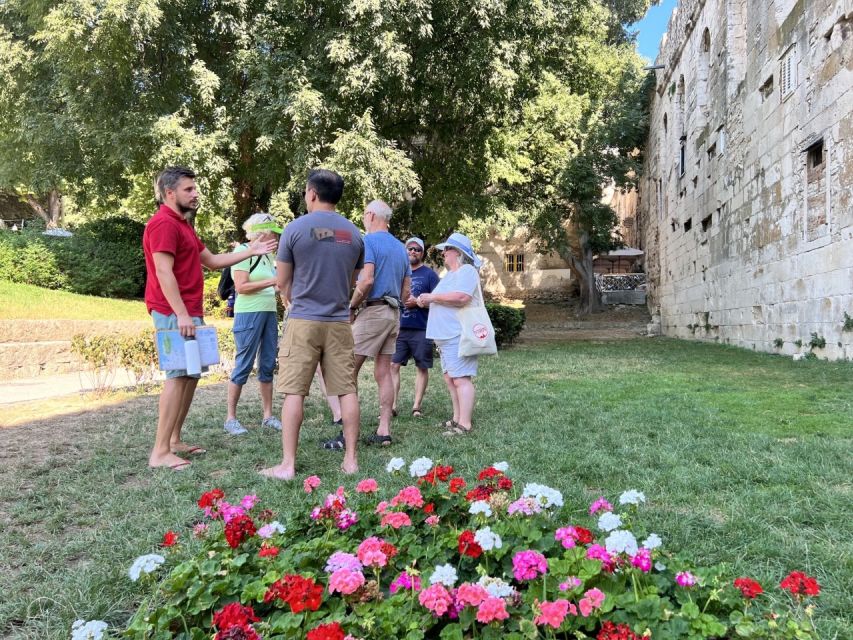
- A private Roman walk through Diocletian’s Palace streets, including key areas inside the palace walls
- Green Market tastings with local staples like olive oil, rakija, cheese, and dry figs
- Local rituals with meaning, from Iliryan-era respect traditions to a classic wish at Gregory of Nin’s golden toe
- Food-centered storytelling, including why the way to a Dalmatian’s heart is through the stomach
- Peristil and palace “secrets”, like the salad lore and the White Stone legend
- Carbon neutral, B Corp certified operator, so your sightseeing comes with an eco-minded setup
Split Starts at the Riva: Private pacing and local guides

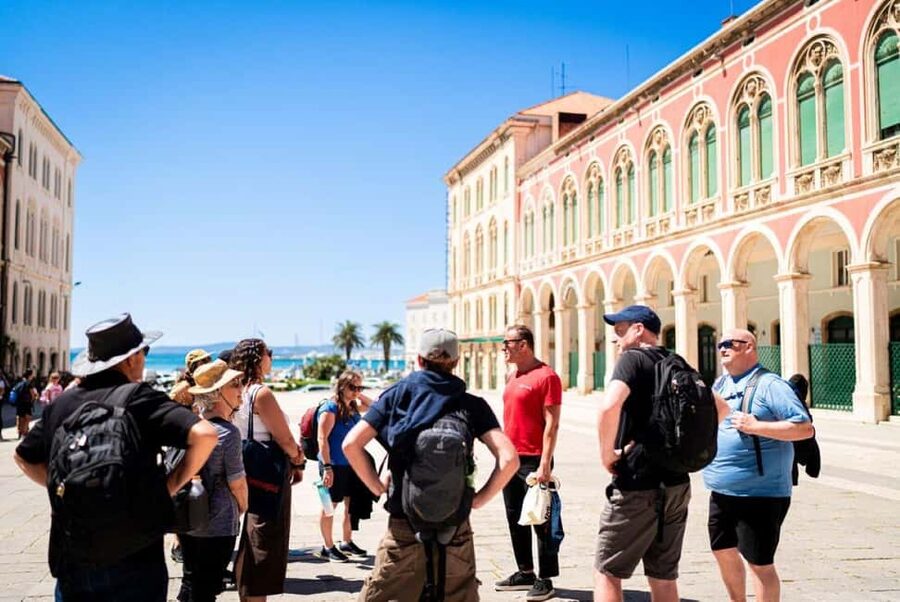
The tour meets at the beginning of the Riva promenade, near the mock-up model of the city and the iron city map. It’s a good spot because it helps you orient quickly, and you’re already in the main showground of Split once the walking begins.
Because it’s a private group for about 2 hours, you are not stuck in a crowd shuffling through the same few viewpoints. You get a guide who can slow down when you want more detail, or keep things moving if you want to cover ground. The guiding style also matters here, because the stories sit inside architecture and street layout, not behind velvet ropes.
The guides are English-speaking locals, and the tour is designed around what residents still care about. In past groups, guides like Ted have been praised for clear pacing and education, and Ivan has been singled out for strong, practical knowledge. That matches what you want in a short window: enough depth to make the palace make sense, without turning the tour into a lecture.
A few more Split days worth comparing
- Walking Tour of Split with a ‘Magister’ of History
★ 5.0 · 1,122 reviews - Split Walking Tour with Professor of History
★ 5.0 · 926 reviews - Split: History and Heritage Walking Tour
★ 4.9 · 650 reviews
Walking Through Diocletian’s Palace: Rome as a living neighborhood
This is the reason to do it. You start with Diocletian’s Palace, built for Emperor Diocletian, and still one of the world’s best-preserved Roman palace complexes. Split did not grow outside the walls first. The city formed inside and around this Roman shell, which is why today you will still feel the blend of antique, medieval, and modern life on the same streets.
Your guide leads you through areas inside the palace walls and focuses on details that are easy to miss when you wander alone. You will see parts of the complex that include the main square area within the palace, a private section, the vestibule, and the Golden Gates.
A simple but important point: walking through the palace in a respectful way means you act like you are passing through someone’s home, because it is still lived in. The tour emphasizes that mindset, and it makes the experience feel more authentic. Instead of treating the palace like a backdrop, you start noticing street rhythm, doorways, and how everyday life fits into old stone.
You will also get help connecting the palace to modern Split. The complex is a UNESCO World Heritage site, but it is also a local hangout, and yes, it’s tied to pop culture too, with the Game of Thrones filming connection you might hear about as context for why so many visitors recognize the space.
Golden Toe Ritual and Hajduk Threads Through the Streets
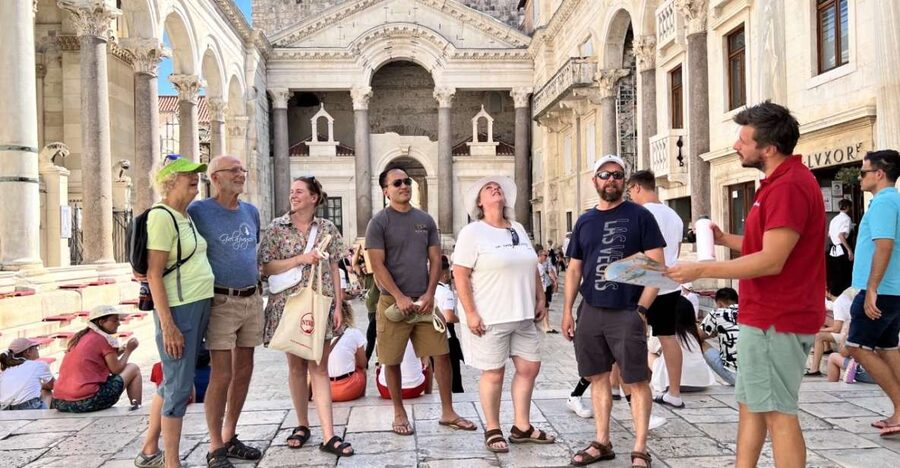
After the Roman walls, the tour shifts into what makes Split feel like Split. You will stop at the famous golden toe of Gregory of Nin. This is one of those tiny gestures that turns into a big ritual, because the guide explains what it means to people here and why the statue has become a tradition point you’ll see referenced again and again.
Then you move through the city and hear how local identity is carried by names. One theme is Hajduk, Split, and why you see that name across neighborhoods, from the older town edges out toward the suburbs. It sounds like a sports detail until you realize how clubs, places, and generations link up. In a short tour, it’s a fast way to understand local pride without needing a separate orientation talk.
This part of the walk also helps you read the city. When you know what people honor and chant, you start noticing the signs, the statues, and the repetition of certain symbols. That is when Split stops being just impressive architecture and becomes a place with living memory.
Green Market tastings: the food-first map of Split
If you only did the palace, you would still learn plenty. But you would miss half the story. One of the early stops is the Green Market of Split, and the tour treats it like a cultural checkpoint.
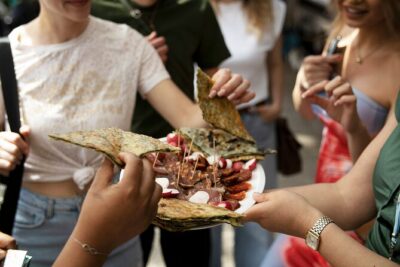
The guide introduces you to how locals shop there, then you taste seasonal foods. Based on what’s included, you can expect tastings such as fruits and vegetables, olive oil, rakija, cheese, and dry figs. The exact mix depends on what’s available, but the vibe is consistent: you’re not sampling random tourist snacks. You’re tasting what’s normal here, and that’s what makes it worth your time.
I love food tours most when they connect flavors to geography and routine. This one does. The guide’s job is not just to hand you food. It’s to show you why a Dalmatian would choose these items, when they’d use them, and how those choices shape everyday life.
There’s also a practical upside. After tasting, you usually know what to look for when you’re hungry later, whether you want something sweet like dried figs, something savory like cheese, or a bottle-worthy lesson in local rakija culture. The tour ends up acting like a shopping guide without turning into a hard sell.
Same stretch of the Dalmatian coast, a different kind of day:
- Split: Krka Waterfalls Trip with Boat Cruise and Swimming
★ 4.8 · 10,519 reviews - From Split: Krka Waterfalls, Food & Wine Tasting Tour
★ 5.0 · 9,326 reviews - Blue cave, Mamma Mia and Hvar, 5 islands speedboat tour
★ 5.0 · 7,150 reviews - From Split: Krka Waterfalls, Food & Wine Tasting Tour
★ 4.9 · 6,598 reviews
Peristil, salad lore, and the White Stone moment
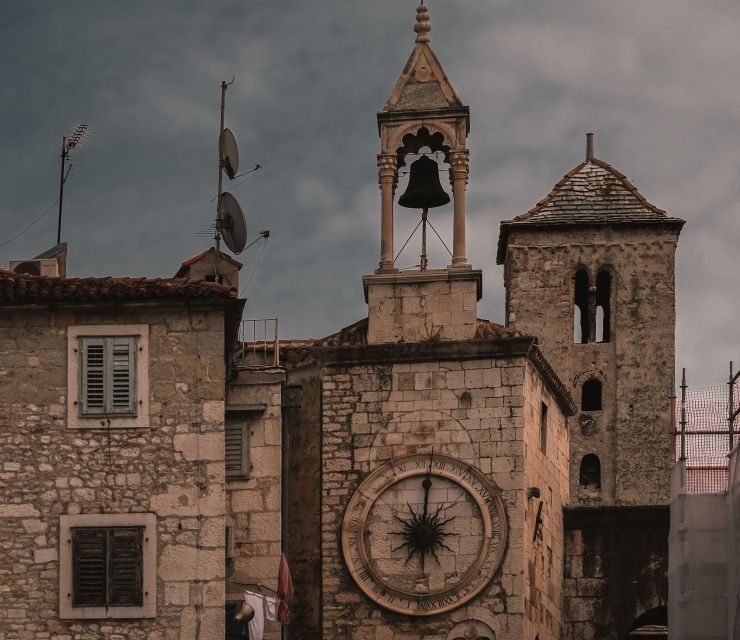
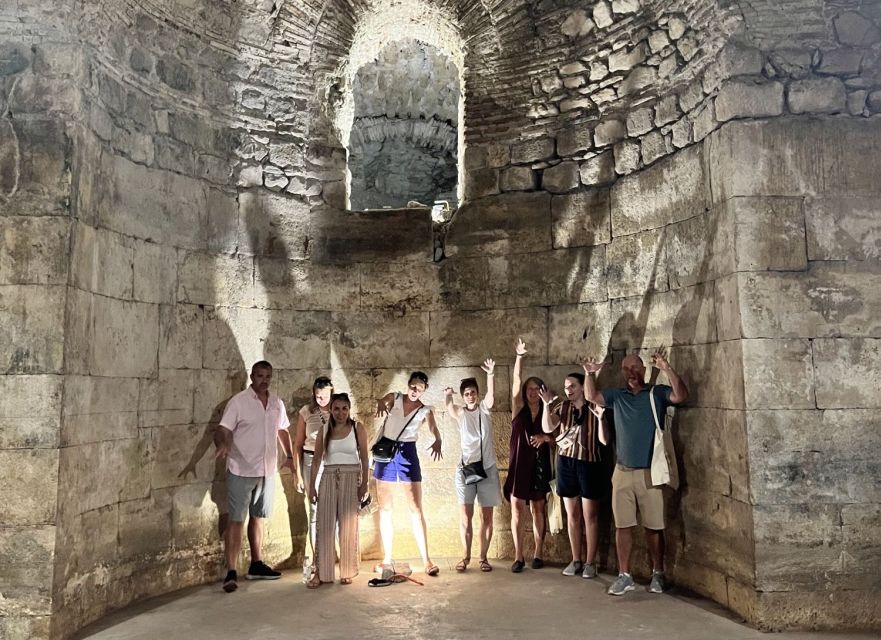
The tour heads into the heart of the palace area, where Peristil sits. This is where the Roman design reveals itself in full. Peristil is the kind of space that makes you understand why people built grand public rooms into strong military-style walls. Even if you are not a Roman-architecture nerd, you can feel the scale and intention.
Your guide also shares story details that give meaning to the stone. You’ll hear about Diocletian’s life hidden in the walls, including why he loved salad so much, and the legend of a mythical White Stone that can make you happy. Are these legends historical in a strict academic sense? Probably not, and the tour does not pretend to be a textbook. But they show you how Split holds on to meaning and turns it into something people want to remember.
This is also a nice pivot point in a 2-hour experience. Early on, you are absorbing Roman context. Midway, you shift into human stories: rituals, preferences, and the small symbols locals still pass around. It’s that shift that keeps the tour from becoming repetitive.
Eco-minded tour leadership: carbon neutral and B Corp certified
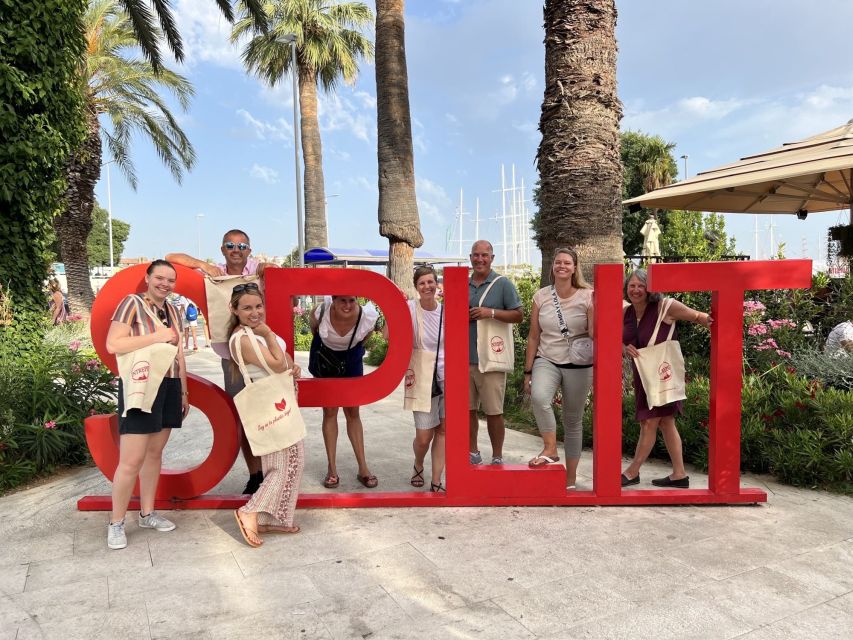
A big part of the booking decision for many people is whether the tour feels responsible. This one is described as carbon neutral and run by an operator that’s B Corp certified and eco-certified.
That does not change the quality of the palace or the market. But it can change your overall comfort level with your trip, especially if you are trying to balance sightseeing with choices that don’t ignore the bigger picture. If you like to spend your money on operators that think beyond just logistics, this detail is worth taking seriously.
Price and what you get for $280 per person in 2 hours
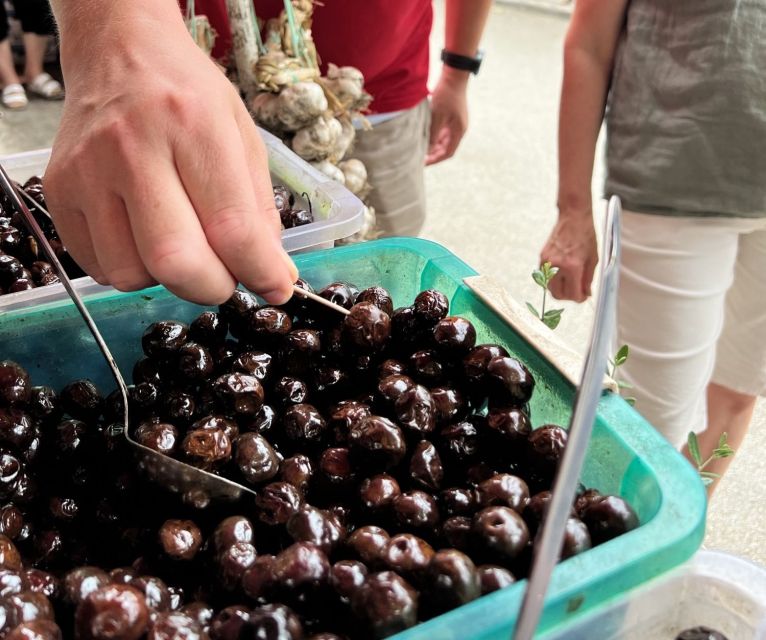
At $280 per person, you’re paying for a private setup, a local English-speaking guide, curated access inside Diocletian’s Palace areas, and a Green Market food stop with tastings.
Let’s break down the value:
- Guide time in a short window: 2 hours is compact, and with a private group you avoid waiting and milling in the wrong places.
- Included palace areas: you get the main square within the palace walls, plus a private section, vestibule, and Golden Gates.
- Included market tastings: fruits, vegetables, olive oil, rakija, cheese, and dry figs are a real meal-adjacent experience.
- You get direction after the tour: your guide points you toward favorite coffee spots and best places for an evening of Dalmatian food.
Now the tradeoffs. Entrance fees for several big add-ons are not included: the cathedral of the former mausoleum, the underground of the palace, the Bell Tower, museums, and the Temple of Jupiter. If those are on your must-do list, plan extra spending or plan a separate ticketed visit.
Also, additional food and drinks beyond the tastings are not included. That’s normal for a market-style tour, but it means the budget is clearer if you treat the included tastings like the appetizer portion of your eating plan.
Is $280 a lot? Yes, especially compared to a cheap walking tour. But you are not just buying “someone to talk.” You’re buying a tightly planned combination of Roman architecture + local food culture, delivered with private pacing and market access.
Who should book this Split tour, and who should not
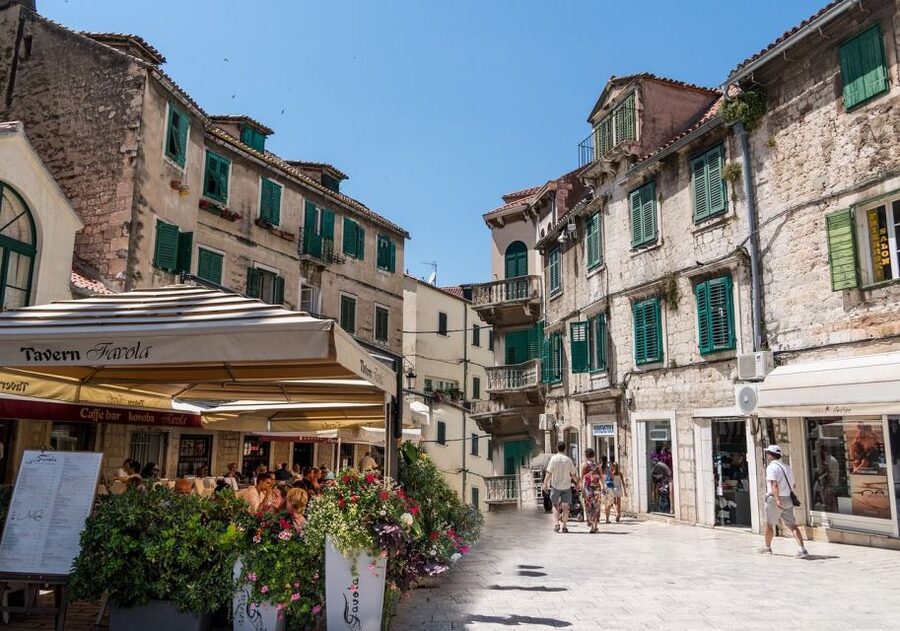
This tour fits best if you:
- Want a short, high-impact way to understand Split, especially if you have only a day or two.
- Like tours where food is not an afterthought.
- Prefer a private group and a guide who can tailor the walking pace.
- Enjoy cultural rituals, from Gregory of Nin’s golden toe to local identity markers like Hajduk.
It is also a good pick for families, since it’s child-friendly, with children under 6 able to join free of charge (you just need to inform the operator).
You might choose something else if you:
- Only care about paying your way into every major interior. This tour does not include entrance fees for several key sites.
- Want a longer timeline, because two hours will not cover every corner of the palace complex at a museum level.
Should you book the Split Private Roman History and Market Tour?
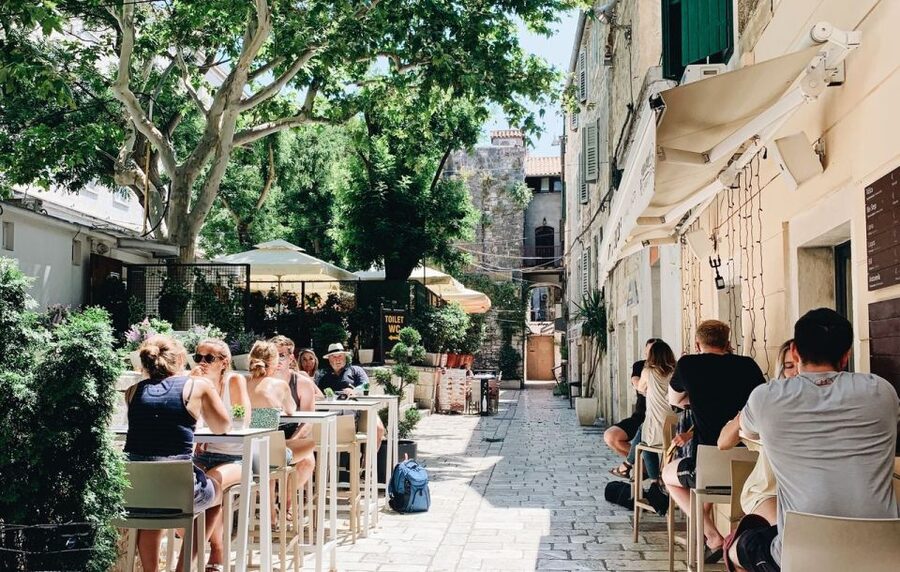
I think you should book it if your goal is to leave Split with two kinds of memory: what you saw and what it tasted like. The combo of Diocletian’s palace streets plus Green Market tastings is a smart use of time, and the private pace makes it easier to absorb real details instead of racing for the next stop.
If you already plan to buy tickets for cathedral, underground areas, bell tower, museums, or the Temple of Jupiter, this tour becomes an excellent starter. It sets the context so those later visits feel connected, not random.
If those interiors are your entire focus, then you might consider a different tour that includes more paid access. But if you want a grounded introduction that feels local, this one is a strong choice.
FAQ
How long is the Split private Roman history and market tour?
It lasts 2 hours.
Is this tour private?
Yes. It is listed as a private group.
What language is the guide?
The live guide speaks English.
What is included in the price?
You get a local English-speaking guide, a Green Market food stop with tastings (like fruits, vegetables, olive oil, rakija, cheese, and dry figs), and Diocletian Palace visit access that includes the main square within the palace walls plus a private section, vestibule, and Golden Gates.
What is not included?
Entrance fees are not included for the cathedral of the ex-Emperor mausoleum, the underground of the palace, the Bell Tower, museums, and the Temple of Jupiter. Additional food and drinks are also not included.
Where do we meet?
You meet at the beginning of the Riva promenade, near the mock-up model of the city and the iron city map.
Is the tour carbon neutral?
Yes. It is described as carbon neutral and organized and led by an eco-certified, B Corp certified operator.
Can children join?
Yes, this is child-friendly. Children under 6 can join free of charge, but you must inform the operator if you are bringing a child under 6.
What are the cancellation rules?
Free cancellation is available up to 24 hours in advance for a full refund.
Can I reserve and pay later?
Yes. The option is reserve now & pay later, so you can book your spot and pay nothing today.
More Markets in Split
- Split: Historical & Gastro Treasures Tour with Green Market
★ 4.9 · 144 reviews
Fresh options around Split
- Small-Group Communist Tour of Split – Boutique group tour★ 5.0 · 7 reviews
- Controversies behind Split and Croatia-Anthropologist guide★ 5.0 · 59 reviews
- Split City Tour By Electric Rickshaw┃Riva Ride★ 5.0 · 50 reviews
- Coffee, storytelling & walk – The best private tour of Split★ 5.0 · 46 reviews
- Chill Private Walking Tour of Diocletian’s Palace★ 5.0 · 35 reviews
- Canyoning basic on Cetina river from Omiš★ 5.0 · 66 reviews
- River Rafting from Split- Cliff Jumping- Cave Visit★ 5.0 · 90 reviews
- Private Split City Walking Tour – Spanish Guide★ 4.5 · 12 reviews
Historical Tours, compared.
Walking Tour of Split with a ‘Magister’ of History
Read our review →
Split History and Gastro Small-Group Tour with Food and Drinks
Read our review →
PREMIUM Emperor’s Walking Tour for History Lovers + Museum
Read our review →
Local History and Culture 90-Minute Walking Tour
Read our review →
Historical & Gastro Treasures Tour with Green Market
Read our review →Browse the lists this tour appears in