
Reviewed · FOOD & WINE TOURS
Red (Wine Tasting) Tour
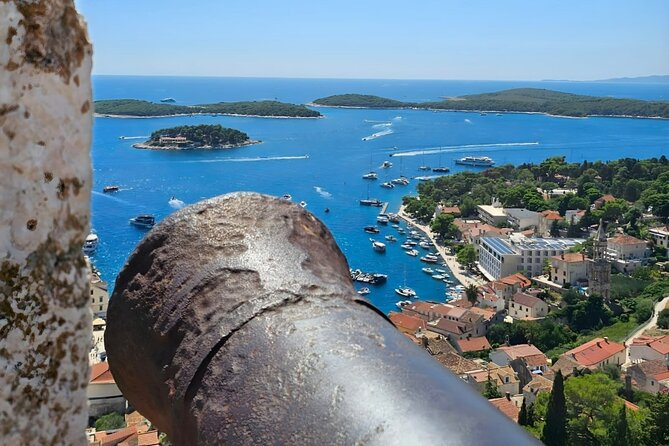
This red wine tasting tour in Hvar is interesting because it swaps beach time for vineyard hills, old stone cellars, and the kind of food and stories you usually only catch when you wander off the main strip. It is timed for late afternoon, so you get that slower island pace right when the light turns good.
I love how it mixes family-run winery visits with a real sense of place, not just a tasting paddle. I also like the stop at a traditional konoba, where you learn how smaller producers keep wine traditions alive. One drawback to plan for: this is an alcohol-centered experience, it starts at 3:30 pm, and the minimum age is 18, so it is not the easiest fit if you want a low-key, non-drinking outing.
Key highlights at a glance
- Pickup right at your accommodation so you are not hunting a meeting spot
- Small group of up to 8 travelers, which keeps the day relaxed and personal
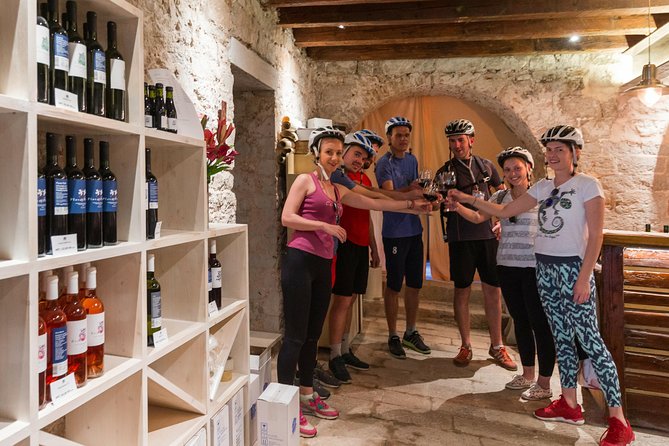
- Two winery stops plus a traditional konoba for contrast between bigger and smaller producers
- Vineyard-cultivation and traditional-production storytelling along the island wine trails
- Red wine sampling, plus homemade refreshment drinks that feel local, not packaged
Why Hvar vineyards make a better late-afternoon plan than another beach lap
Hvar can feel like a magnet for day-after-day beach time. This tour gives you a different kind of view, one where you can see the island’s working side: the hillsides where vines grow, the cellars where wine rests, and the family tables where the day turns into food, talk, and tastings.
What makes it especially appealing is the rhythm. You are not doing a rushed factory tour. You are following the logic of wine, from vineyard cultivation to what lands in the glass. That structure matters because it turns tasting from a simple sip-and-smile activity into something you can actually remember and explain later.
Also, the vibe is not stiff. Your guide, Grgo Matkovic (with Silvana involved in the operation), leans hard into local connection. Several experiences on the day revolve around people you can picture as neighbors and co-workers, not distant corporate winemakers.
More Dalmatian food and wine tastings in Makarska:
- Wine Tasting Grabovac Tour From Makarska
★ 5.0 · 63 reviews - From Split: Krka Waterfalls, Food & Wine Tasting Tour
★ 5.0 · 9,326 reviews - From Split: Krka Waterfalls, Food & Wine Tasting Tour
★ 4.9 · 6,598 reviews
Pickup at 3:30 pm, small-group pacing, and what that means for your day
The tour starts at 3:30 pm. Pickup is offered, and it can be done in front of your accommodation, which is a big deal in Hvar where walking distances and hills can add up fast. You will also get a mobile ticket, and the tour is offered in English.
The group size is capped at 8 travelers, and that is not just a nice detail. With a smaller group, you tend to get more back-and-forth, more chances to ask questions, and less standing around. You also tend to feel like you are being shown places rather than being herded between them.
Timing-wise, late afternoon can be ideal for vineyard areas because the sun is usually less punishing than peak midday. It also gives you the morning to do your beach or old-town roaming, then switch gears without needing a full day commitment. Just remember the downside: you are starting later, and you are tasting wine, so you will want an evening plan that stays flexible.
The island roads and the stops that set the tone
A core part of the experience is the drive around Hvar. You will see more of the island than you would if you stayed strictly near the port. The tour’s flow typically includes a stop in historic Stari Grad, plus time on routes that get you past the most obvious tourist corridors.
This “getting from A to B” portion is not filler. It is where the guide connects the dots between places. You hear why the island developed its vineyards the way it did, and how families organized their production over generations. You also get a sense of the challenges of farming on an island with limited resources and changing conditions.
I think this is one of the reasons the tour feels memorable: the day builds context before the tastings start. When you finally sit down at a winery, you already understand what you are looking at, even if you are not a wine nerd.
Two winery visits: what you learn, what you taste, and why it feels different
The tour includes stops at cellars of well-known winemakers and also visits to a family winery. The idea is to show you both tradition and the personal side of production.
At the winery, the tour focuses on how wine is made, including the production process and the specific features that make each wine stand out. You also sample multiple wines, so you can compare styles and get a feel for how red wine on Hvar can range from lighter, fresher expressions to deeper, more aged selections.
One practical upside here is choice. Some people come to a wine tour expecting only red wine. On this one, the day is about wine culture more broadly, and you might encounter additional samples such as whites or blends during the tastings. Even if your goal is strictly red, those comparisons can help you understand what the island is doing with different grape styles and aging approaches.
I also like that the experience is not trying to impress you with luxury. A big part of the value is access to the people and the process, including how the winery fits into family life.
A few more Makarska days worth comparing
- Split: Blue Lagoon and 3 Island Cruise with Food and Drinks
★ 4.8 · 1,969 reviews - Krka National Park Tour with tour Guide & Wine tasting from Split & Trogir
★ 5.0 · 1,625 reviews - Split/Trogir: Krka National Park Day Trip with Wine Tasting
★ 4.7 · 925 reviews - Full-Day Catamaran Cruise to Hvar & Pakleni Islands with Food and free Drinks
★ 5.0 · 670 reviews
The traditional konoba stop, homemade refreshment drinks, and elder stories
The tour also stops at an old family konoba, a traditional setting where smaller producers share their approach through stories and lived experience. This is where the day shifts from “tour presentation” to “shared table conversation.”
You are meant to discover the traditional preparation process on a small farm, guided by elders’ stories. That matters because it gives you the texture behind the wine. Instead of only hearing about techniques, you hear about why techniques survived, how families adapted, and what it takes to keep production going over time.
And then there is the refreshment part. The highlights specifically mention homemade refreshment drinks alongside wine tasting. These drinks are a strong reason to do this tour rather than just buying a bottle later. They help you experience the hospitality style of the island, not only the beverage itself.
If you care about the difference between mass-market wine tourism and something more local, this konoba stop is the moment where the tour earns its name.
Indigenous varieties, vineyard cultivation, and what to watch for in the glass
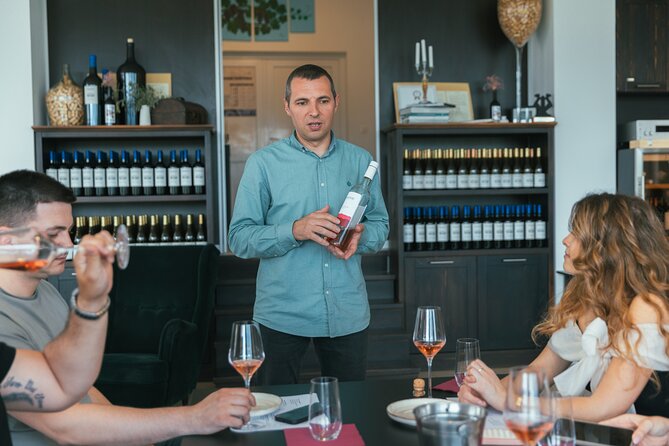
One theme running through the experience is the natural Hvar wine story, including indigenous (original) grape sorts that have grown in the area since ancient times. This is not marketing fluff. When your guide connects grape variety to local vineyard conditions and traditional cultivation, you start noticing why the wines can taste distinct.
During the wine portion, you are guided through vineyard cultivation and traditional production methods. Even if you do not catch every technical detail, the practical goal is clear: you want to understand what makes Hvar wine taste like it comes from the island, not from a generic region.
Here is what I’d suggest you do while tasting. Keep a simple mental note for each pour: aroma first, then flavor, then how it feels as you finish. If one wine surprises you, ask your guide what vineyard and production choices might explain it. With a group of up to 8, you should actually have enough time to get a real answer.
The day also connects these topics to the reality of island farming: small plots, meager soil, and families inheriting techniques. That context turns a tasting into a mini lesson you can carry home.
Price and value: is $186.24 per person a fair deal?
At $186.24 per person for a 4 to 6 hour experience, this is not a budget wine afternoon. The good news is that the value comes from what is included and how the day is structured.
You are paying for more than tastings. You get:
- Pickup offered in front of your accommodation
- A small group experience capped at 8 travelers
- Multiple wine stops, including a family winery and a traditional konoba
- Time spent learning about vineyard cultivation and production methods
- Homemade refreshment drinks as part of the experience
- English language service
When a tour includes transport, several stops, and on-site explanation by family producers, the cost starts to make sense, especially in a high-demand area like Hvar. If you are already planning to do wine tasting anyway, I see this as a “pay once, learn more” choice rather than a quick sampler.
The main way it would feel like poor value is if you only want one casual sip and you do not care about the production stories. For that style of traveler, a simpler tasting room visit might be enough.
Who should book this wine tour, and who should skip it
This is a strong match if you want:
- A local, family-focused wine experience
- Real conversation about vine cultivation and production
- A tour that takes you beyond the port area into working parts of the island
- A smaller group where you can ask questions and not feel rushed
It is not the best match if:
- You want a mostly scenic, non-wine afternoon
- You are under 18 (the minimum age is 18)
- You prefer a very early start, since it begins at 3:30 pm
It also fits well with people who are staying on or near Hvar and want a half-day activity that does not erase the rest of the vacation plan. You can do it, taste, learn, then still keep your evening open.
Should you book the Natural Hvar Red Wine Tour
I would book it if your priority is wine culture with a human face. The combination of family wineries, a traditional konoba, and the guide’s focus on island life makes it more than a checklist of tastings.
If you are the kind of traveler who likes learning while you travel, this tour gives you that. If you just want to drink and move on, you might find the structure slightly more educational than you expected.
My final advice: go with the mindset that this is an afternoon with a local guide, where wine is the centerpiece and stories are the ingredient that makes it stick.
FAQ
What time does the Red Wine Tasting Tour start?
The tour starts at 3:30 pm.
Is pickup included, and where does it happen?
Pickup is offered. You can usually be picked up in front of your accommodation.
How long is the tour?
The duration is about 4 to 6 hours.
How big is the group?
The tour has a maximum of 8 travelers.
Is the tour offered in English, and is there an age limit?
The tour is offered in English. The minimum age is 18.
Is free cancellation available?
Yes, you can cancel for a full refund up to 24 hours in advance of the experience start time.
Fresh options around Makarska
- 3 Hour Biokovo Skywalk Tour★ 4.0 · 22 reviews
- 3 Islands Speedboat Tour: Golden Horn, Blue Lagoon & Jelsa Town★ 5.0 · 17 reviews
- Wine Tasting Grabovac Tour From Makarska★ 5.0 · 63 reviews
- Sunset Speedboat Tour in Makarska with swim stop on island Brač★ 5.0 · 25 reviews
- Makarska: Baggy Skywalk & Biokovo viewpoint Tour★ 5.0 · 50 reviews
- Quad Tour to skywalk biokovo Makarska by Amigos★ 5.0 · 21 reviews
- Skywalk Biokovo ATV Quad Tour★ 4.5 · 8 reviews
- Plitvice Lakes Day Trip from Makarska Riviera★ 4.0 · 8 reviews
Food & Wine Tours, compared.
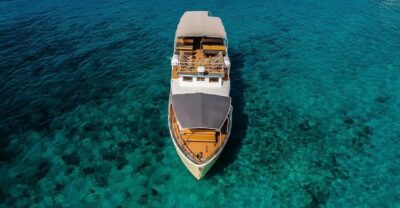
Blue Lagoon and 3 Island Cruise with Food and Drinks
Read our review →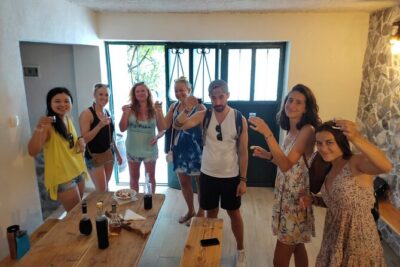
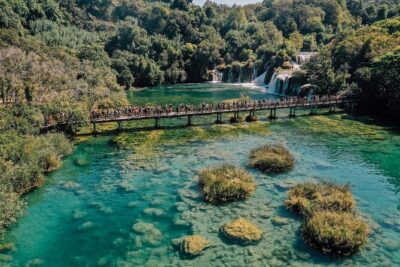
Krka National Park Tour with tour Guide & Wine tasting from Split & Trogir
Read our review →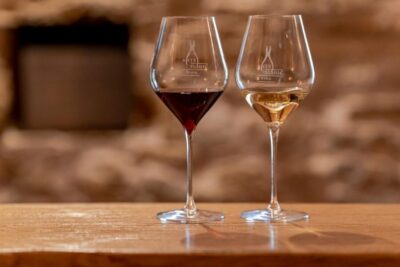
Krka Waterfalls With Boat Cruise, Wine and Olive Oil
Read our review →
Split Food Tour: Discover Split One Bite At A Time
Read our review →
Split History and Gastro Small-Group Tour with Food and Drinks
Read our review →
Browse the lists this tour appears in