
Reviewed · SPLIT
Back to the Roots – Ancient Island Interactive Experience
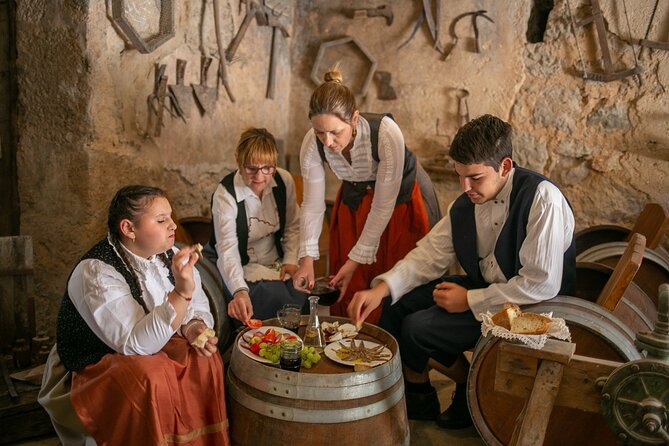
This interactive visit in Vrisnik, near Hvar, is interesting because it treats daily island chores like living lessons. At Terra Arhaica, you get hands-on work inside a family home built of stone, where the skills you learn were once just how people survived. Think ancient island routines plus a meal made the old way in an active, participatory format.
I love that you actually do the work, like grinding wheat and working with bread cooked under the peka, not just listening from a distance. I also love the food angle, especially when you scoop olive oil from a stone vessel and build a lunch with ingredients you handpick, then finish with traditional sweets like paprenjok. It is hands-on food history, the kind you can taste.
One thing to consider: the whole experience is about 1 hour 15 minutes, so it moves at a friendly but brisk pace. If you want a long, slow museum-style wander, this format may feel short for the price.
Key Highlights Worth Planning For
- Peka-style bread cooking: You learn the process and then enjoy the result with warm bread and olive oil.
- Your hands on the food: Grind wheat, press grapes, and learn practical steps you can picture at home.
- Real tools, not props: You get familiar with fisherman and farming equipment and the work behind it.
- A lunch you build around island ingredients: Salted sardines with tomatoes and zucchini, plus a farmer and fisherman-style meal.
- Traditional paprenjok cookie lesson: You get the cookie plus the story behind how it is made.
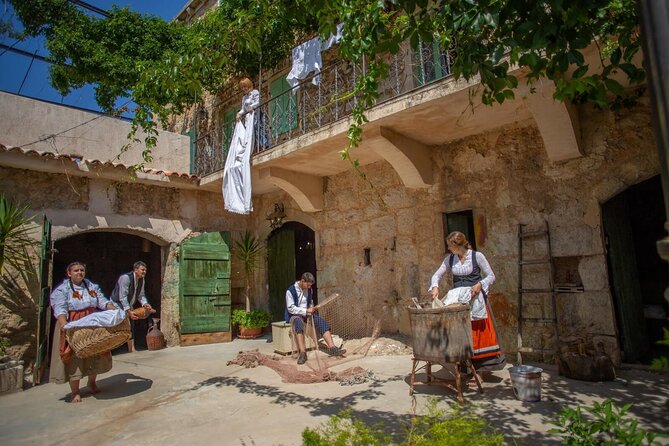
- Craft skills beyond cooking: Weaving, cooper craft, and even ironing with embers are part of the experience.
Entering Terra Arhaica in Vrisnik, Hvar
The experience centers on Terra Arhaica Experience, in Vrisnik, and it finishes right back where you start. There is one main stop, so you are not sprinting across the island trying to hit multiple sites. You are there to focus, learn, and eat, with a private group just for you.
What makes this work so well is the tone. You are not treated like a ticket scanner in a line. You are welcomed into a working family atmosphere, where daily tasks from long ago are shown as practical skills you can try yourself.
If you are traveling in English, that is covered. You will also get a mobile ticket, and the visit allows service animals.
More of Hvar worth an open tab:
- Blue Cave & Vis Island speedboat tour from Hvar
★ 5.0 · 890 reviews - Blue Cave and Pakleni Islands group Tour from Hvar
★ 5.0 · 490 reviews - Boat Tour at Delfina Hvar
★ 5.0 · 243 reviews
The peka and bread, where heat does the heavy lifting
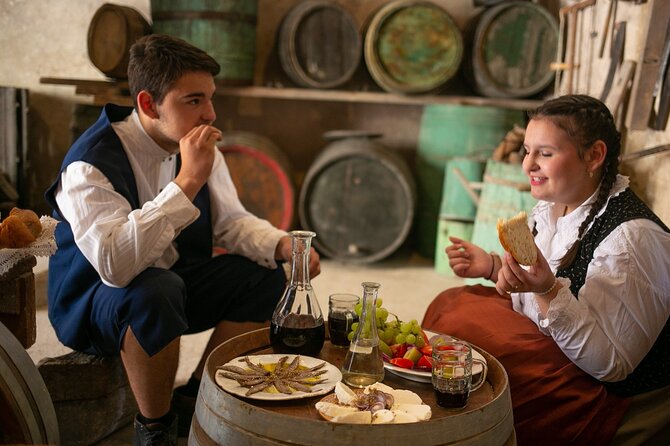
One of the most satisfying parts is learning how bread was made under the peka. The peka is basically a covered, wood-fired cooking method that relies on proper heat and careful timing. You do not just hear about it, you get the chance to understand the process, then taste the payoff.
The food part is simple, but it hits hard: fresh warm bread plus olive oil. A standout detail here is that you scoop the oil from a stone vessel. That small step matters because it connects the oil to the vessel, the texture, and the way people handled ingredients by hand.
I also like how this sets expectations for the rest of the visit. Bread under the peka is not a random “culture snack.” It is the reminder that the whole day revolves around fire, the fireplace, and how heat shaped meals.
Grinding wheat and pressing grapes, learning the island’s workflow
After the bread theme, you shift into core work that shows how island life turned raw materials into food and drink. You will learn how ancestors made bread ingredients, including the idea of grinding your own wheat.
Then comes the grape side: you learn how to press the grapes and turn juice into wine. The point is not to become a vintner in 75 minutes. The point is to understand the logic of the process, from the first pressing to the transformation step that made winter storage possible.
In a lot of food tours, you watch and move on. Here, the learning is tied to the physical steps, and that makes the stories easier to remember later. You leave with images in your head, not just facts.
Fishermen, nets, and salting fish, the skills behind survival
Not every part of this experience is about farming and bread. You also learn how to mend a fisherman’s net and familiarize yourself with the tools fishermen used. That gives you a more complete picture of island work, because the sea was as important as the soil.
You will also learn how to salt your own fish. That is a big deal historically, because salting is what let people store food and stretch harvest and catch. Even if you never salt fish at home, you will understand why the method mattered.
This is also where the experience feels most “real.” Salt, tools, and net repair are not glamorous topics, but they are the foundation underneath meals. You come away with respect for the steady, skilled labor that made island living possible.
Same stretch of the Dalmatian coast, a different kind of day:
- Blue cave group tour with swimming and snorkelling from Hvar
★ 5.0 · 227 reviews - BLUE CAVE & 5 islands tour from Hvar
★ 4.5 · 224 reviews - Half Day Sailing on a comfort yacht around Hvar and Pakleni islands- small group
★ 4.5 · 194 reviews - Private Tour of Red rocks, Pakleni Islands and Hvar’s Southern Beaches
★ 5.0 · 181 reviews
The fire and fireplace thread that connects everything
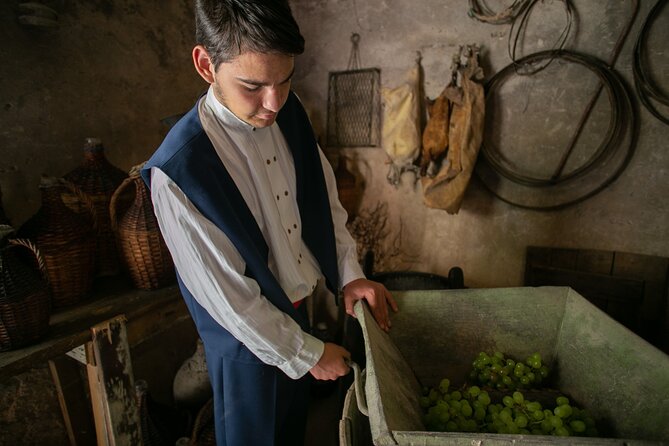
One theme repeats across the visit: the importance of the fire and fireplace. The organizers do a smart job of treating fire as a whole system, not just a heat source for one dish.
When you learn why certain foods were prepared one way and not another, you start to see how a home kitchen functioned as storage, cooking station, and craft space all at once. That helps you connect the dots between bread, roasting, stews, and even the crafts later on.
If you like tours that explain how life worked day to day, this “fire thread” keeps the visit coherent. It is not a loose collection of short activities. It has a backbone.
Lunch that tastes like island work, sardines plus handpicked garden produce
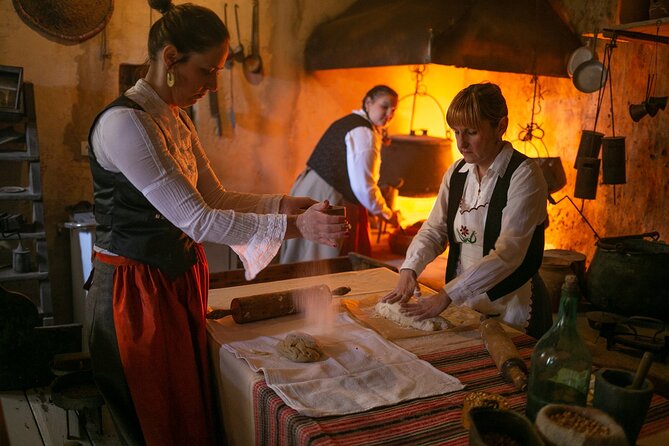
Time for the part most people care about most, lunch. The meal includes salted sardines mixed with fresh tomatoes and zucchini, and you handpick the garden ingredients used in the lunch. That handpick step may sound small, but it changes how you experience the food, because you are tasting what you helped select.
Then you get a combination that mixes both a farmer’s and fisherman’s lunch style. That blend is a nice way to cover two livelihoods in one sitting. Instead of forcing the group to choose one perspective, you get a broader sense of what a full rural day could include.
And yes, there is pleasure in the basics here. Warm bread, olive oil, seasonal vegetables, and simple plates prepared with care. It is not fancy presentation. It is solid, old-school island flavor.
In some experiences, you may also be offered small tastings alongside the meal, like grappa, honey, or wine. You might even get a quick coffee moment, since the visit is set up as a real family-style hangout, not just a staged restaurant service.
Paprenjok cookies and the sweet side of farm life
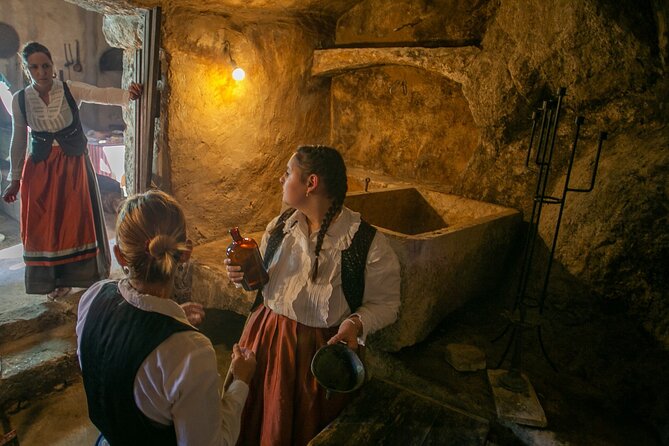
No visit like this feels complete without a traditional cookie. Here, you try paprenjok, and you find out its secret recipe. That phrasing matters because it signals that sweets were not an afterthought. Cookies were part of daily life, seasonal rituals, and hospitality.
One of the reasons the cookie moment is so memorable is that you are learning in layers. You get the history and process, then you taste. It feels like you are standing in the kitchen with people who learned these recipes by doing them, not by reading about them.
If you have kids in your group, or if you just like a clear “finish with something sweet” payoff, this part lands well.
Beyond cooking, weaving, cooper craft, and ironing with embers
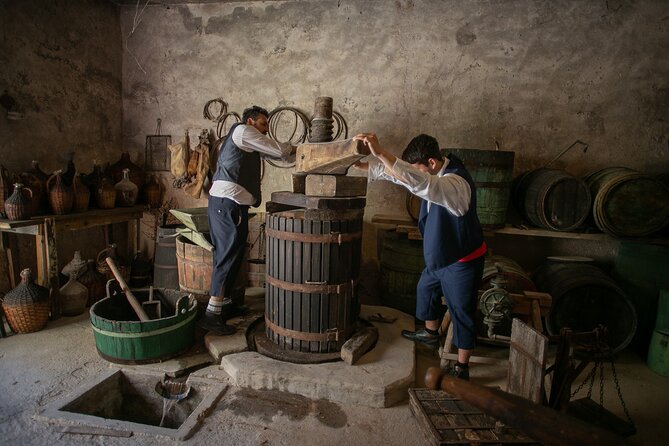
This is one of the more interesting parts for me. The visit does not stop at food. You also learn how figs were dried and how to weave a scarf or bracelet.
You even experience the skill of the cooper’s craft for a moment. Coopering connects to barrels, storage, and the practical side of keeping food and drink safe. It is a reminder that agriculture and craftsmanship worked together.
Then comes one of the most unusual lessons on the list: how to iron clothes with embers. That is a very specific detail, and it helps you understand everyday technology before modern appliances. It is not just “old times,” it is how people solved problems with the tools they had.
If you love tactile learning, this section is where the visit keeps your attention. You are not just eating. You are practicing small skills and seeing how work makes objects and keeps life running.
Who should book this 1 hour 15 minute experience?
At about 1 hour 15 minutes, this is best for people who want real food and real hands-on cultural learning without a half-day commitment. It is also a strong choice if you enjoy cooking, family-run hospitality, or crafts where you can actually try things.
It is private, so it works well if you want a calmer pace than a crowded group tour. The experience is also a good fit for families in at least some cases, including when children are old enough to participate in the activities.
One more practical point: because it is short, you should treat it like a concentrated taste of rural life. You will probably not leave feeling like you got every detail imaginable, but you will leave with a clear sense of how people cooked, worked, and stored food.
Price value: what $155.33 buys you
$155.33 per person for roughly 1 hour 15 minutes is not “cheap,” and the timing matters. You are paying for a private, hands-on experience inside a family property with multiple skill lessons and a full lunch plus sweets.
For the value question, I weigh three things:
- Active participation (grinding wheat, learning peka bread methods, pressing grapes, net and salting lessons)
- Food quality and sourcing (olive oil, fresh garden picks, salted sardines, traditional sweets)
- Craft variety (weaving, cooper craft, ironing with embers)
If your goal is to eat well while learning practical, sensory traditions, the price can make sense. If you are only looking for a casual meal with minimal participation, you might be better served by a standard restaurant stop.
My take: should you book Back to the Roots at Terra Arhaica?
If you like experiences where you do something, smell something, taste something, and then learn why it mattered, this is a strong pick. The peka bread, stone-vessel olive oil, and the salted sardines lunch feel like the heart of the visit, and the crafts help it stay memorable long after the meal is done.
I would book it if you want a tour that feels like a home visit rather than a museum lesson. I would skip it if you need lots of downtime, long explanations, or a slow walk through exhibits.
FAQ
What is the duration of Back to the Roots in Hvar?
The experience lasts about 1 hour 15 minutes.
Where does the experience take place?
It is in Vrisnik, Croatia. The meeting point is listed as 5M32+9F, Vrisnik, Croatia.
Is it a private experience?
Yes. It is a private tour or activity, and only your group will participate.
What languages are offered?
The experience is offered in English.
What do I get for tickets?
You receive a mobile ticket.
Is there a cancellation option?
Yes, there is free cancellation.
How far in advance can I cancel for a full refund?
You can cancel up to 24 hours in advance of the experience for a full refund.
When should I expect confirmation after booking?
Confirmation is received within 48 hours of booking, subject to availability.
Are service animals allowed?
Yes, service animals are allowed.
What happens at the end of the experience?
The activity ends back at the meeting point.
Fresh options around Hvar
- Wine Lovers tour from Hvar★ 5.0 · 5 reviews
- Water Taxi Ride from Hvar to Split Airport★ 5.0 · 5 reviews
- Private Speed Boat Tour of Hvar South Shore & Pakleni islands★ 5.0 · 20 reviews
- Private Hvar Wine Tasting Tour★ 5.0 · 35 reviews
- Tuk Tuk Sightseeing Tour of Hvar★ 5.0 · 68 reviews
- Jewels of Hvar – Private Walking Tour★ 4.5 · 6 reviews
- Sunset Sailing Tour on the Pakleni Islands★ 5.0 · 10 reviews
- Sunset Kayak Tour in Hvar Town, Croatia★ 5.0 · 4 reviews