
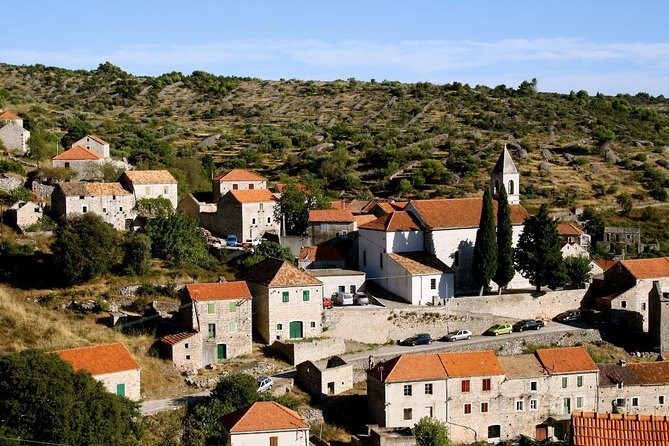
Reviewed · HVAR ISLAND TOURS
Hvar Hidden Gems Small Group Half Day Tour with Lunch or Dinner
This half-day tour of Hvar is interesting because it starts with the French Fortress high above town, then drops you into rural roads and nearly abandoned villages. I love how the route is built around hard-to-find aerial viewpoints, including sweeps over Hvar town, the Pakleni islands, and distant Vis.
I also love the meal setup: a 3-course Dalmatian lunch or dinner built around peka, that iron-bell lamb or lamb-and-veal dish. The one drawback to flag is that it is not a food crawl, so you will spend more time on scenery and village walks than on multiple tasting stops.
Key points to know before you go
- Napoleon-era viewpoints from St Nicholas hill, with views of Hvar town, the Spanish Fortress, Pakleni, and Vis
- Brusje lavender walk (seasonal), best in June and July when lavender fields are in bloom
- Velo Grablje, a 14th-century village with stone houses, courtyards, and a nearly abandoned feel
- Peka cooked under an iron bell, served with local wine, water, and grappa
- Max 12 people with pickup, so you get a relaxed pace and real time for questions with the guide
Entering Hvar From St Nicholas Hill, Not the Tourist Main Drag
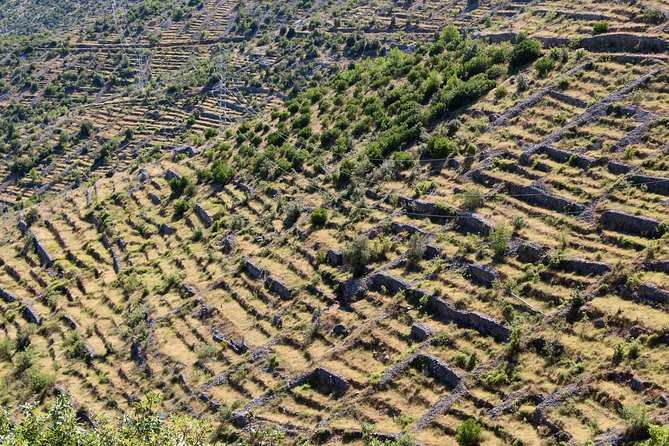
This is a short tour, about 4 hours, but it is packed with contrast. You start high above Hvar town at the French Fortress, then you spend the rest of the time moving through the quieter island interior, where stone villages sit far from the crowds. You get enough motion to see big changes in scenery, without feeling like you are rushing your day apart.
The small-group size matters here. With a maximum of 12 people, it stays conversational, and the guide can shape the pace around questions. That kind of structure also helps if you want to take photos often, because you can stop for viewpoints without a whole bus clattering in behind you.
A heads up on expectations. This is not designed to be a long hike or a stop-after-stop buffet of small bites. The “payoff” is the mix of viewpoints, village architecture, and then the proper Dalmatian meal at the end.
A few more Hvar days worth comparing
- Hvar Small Group Wine Tour and Authentic Dalmatian Dinner
★ 5.0 · 20 reviews - Hvar Charming Abandoned Village Small Group Tour and Local Dinner
★ 5.0 · 3 reviews - Hvar Hidden Gems Tour with Lunch or Dinner
★ 5.0 · 6 reviews
Napoleon’s French Fortress: The View That Sets the Tone
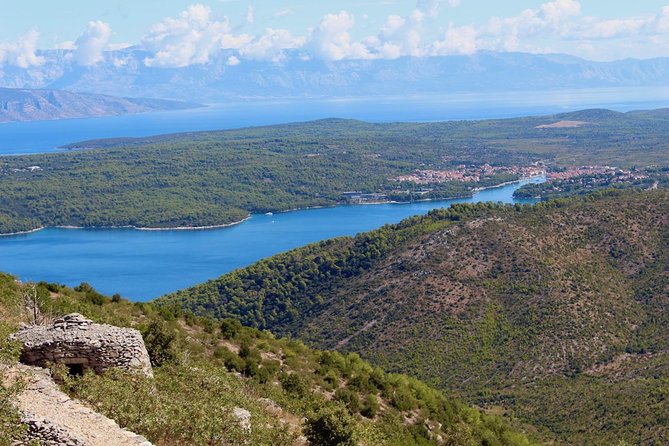
The tour begins at the French Fortress on St Nicholas hill. It was built by Napoleon’s troops, and the hill itself served as a reconnaissance site and lookout. That is a neat detail, because it explains why the views are so strategically dramatic, especially when you see Hvar town spread out below you.
From this height, you get broad, readable geography. You are looking at Hvar town, the Spanish Fortress, and the Pakleni and Vis islands. Even if you have already seen Hvar from the waterfront, this angle helps you understand what sits where. It also makes the rest of the route make sense, because later stops line up with the bays and inland lanes you now recognize.
This is one of those moments where the “hard part” is not the stairs, it is choosing what to photograph first. If you are the type who loves a wide framing shot, arrive ready with your camera charged and your phone brightness set for bright sun.
The Drive Through Rural Hvar: A Different Kind of Island Time
After the fortress, the day shifts gears. You drive through the green, rural island of Hvar, passing through Brusje and then continuing along an old island road. The route is scenic in a practical way, meaning you get repeated visual “checkpoints” without having to navigate unfamiliar roads yourself.
This drive segment is also where the tour earns its value for people who do not want to plan. You get an organized path that hits several key viewpoints and villages. And because the group is small, the guide can add context as you pass farms, rural roads, and coastal angles.
One consideration: since it is a half-day, there is limited time for extended wandering in every village. The tradeoff is that you get more “see it all once” coverage, including the fortress and two village areas, instead of one place in great depth.
Brusje Lavender Fields: Seasonal Beauty With a Real Walk
Next up is Brusje, where you get the chance to walk through lavender fields. This is seasonal, with options running June to July. If you go in those months, you are likely to get that full lavender field look, not just a few plants along the roadside.
What makes this stop satisfying is that it is not only about the photo. You get out and walk, and you can slow down for a moment to smell the air and take in the texture of the landscape and stone edges around the fields. You also get a sense for why lavender production mattered to the local economy later, when the tour moves into village history.
If you travel outside June to July, you may not get the same lavender peak. The tour still follows the Brusje section, so you will experience the countryside feel, but the signature lavender bloom may be less intense.
More Hvar boat trips and island days:
- Blue Cave & Vis Island speedboat tour from Hvar
★ 5.0 · 890 reviews - Blue Cave and Pakleni Islands group Tour from Hvar
★ 5.0 · 490 reviews - Boat Tour at Delfina Hvar
★ 5.0 · 243 reviews - Blue cave group tour with swimming and snorkelling from Hvar
★ 5.0 · 227 reviews
The Old Island Road and the Deep-Bay View Stops
Between Brusje and the villages, you travel along an old island road. It is described as paved, and the important part is what it delivers, amazing views, including the island’s deepest bays.
These viewpoint moments work well because they break up the drive without turning the day into a checklist of random stops. You get a rhythm: see a big view, learn what you are looking at, then move on. It keeps momentum while still giving you time to absorb each coastline shape.
This is also the part where your guide’s storytelling can add extra value. Guides like Dinko and Stempe, described in different experiences, are praised for bringing local perspective, including how geography and daily life connect. If you like learning while you look, this segment tends to click.
Velo Grablje: A 14th-Century Village, Stone Houses, and a Nearly Abandoned Feel
Velo Grablje is where the tour becomes emotionally interesting. The village was founded in the 14th century, and you explore the stone houses and courtyards as you walk through the narrow streets. Today it feels nearly abandoned, but a few permanent villagers remain, which gives it a real, lived-in edge instead of an entirely staged look.
This is not just “pretty ruins.” You learn how the village once was rich and prosperous, especially for wine and olive oil production. Honey production was also well known, and lavender oil played a major role, with the leading lavender oil position in Europe during that time.
That last detail matters, because it ties your day together. Lavender in the fields earlier becomes a real economic thread, not just a scenic bonus. You start seeing the same island theme in two different forms, agricultural land outside town, then the village culture that depended on it.
Walking here is usually straightforward, but the streets are narrow, and the stone courtyards can be uneven. If you have balance issues or worn-out shoes, plan for slow steps.
Malo Grablje: When the Village Is Almost Gone
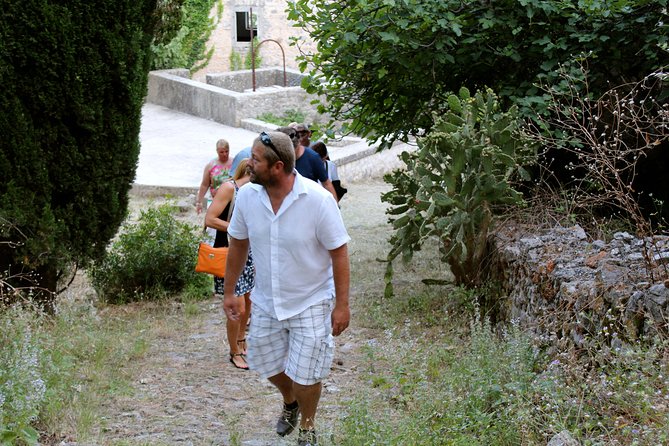
After Velo Grablje, you continue to Malo Grablje, described as an abandoned village. The tone changes here. Instead of active village life, you see what remains and you get time to reflect on how communities shift and shrink.
This stop is short, but it complements Velo Grablje well. Together, the two villages show a timeline of how economic importance can fade, leaving behind stone architecture and quiet lanes. If you are the type who likes atmosphere as much as sights, you may find Malo Grablje to be the most memorable part, even if it is not the biggest.
Peka Lunch or Dinner: The Meal That Actually Feels Like Hvar
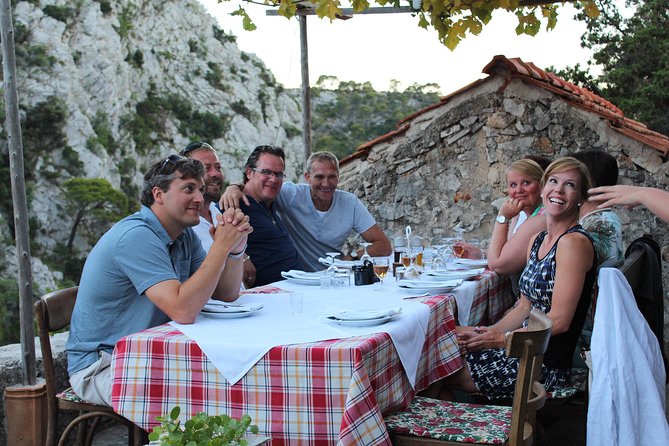
The day ends with an authentic Dalmatian lunch or dinner, depending on whether you chose the morning or afternoon departure. This is not a generic buffet style finish. You get a structured 3-course meal.
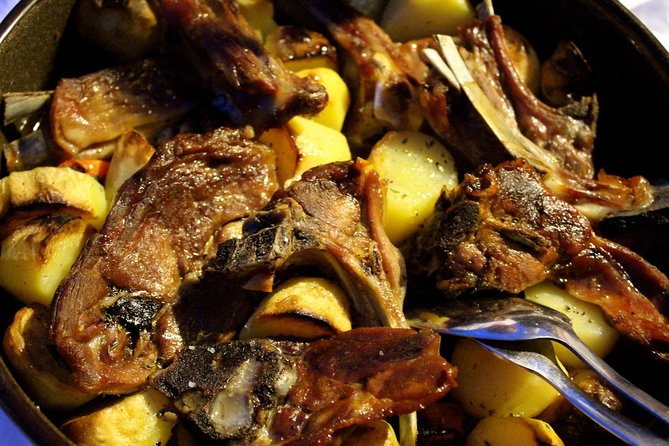
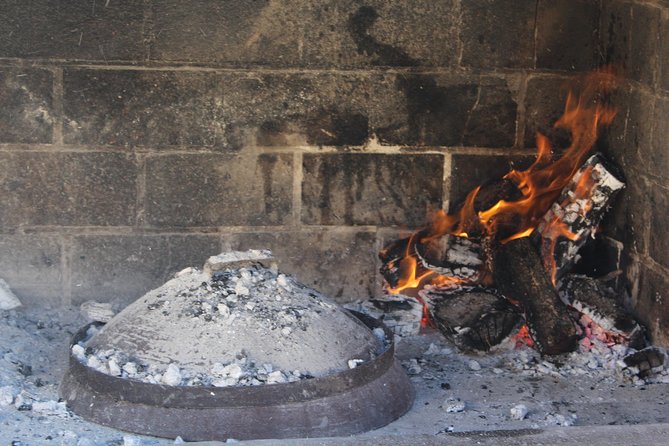
The star is Peka, traditionally lamb or mixed lamb and veal, cooked under an iron bell covered with ash. The key point is that this is a cooking method, not a menu slogan. It explains why the meat tastes the way it does, and why the meal feels like a real local process.
Your sample menu includes:
- Starter: local cheese and smoked ham with island extra virgin olive oil, plus marinated fish
- Main: peka, lamb or mixed lamb and veal under the iron bell covered with ash
- Dessert: simple traditional dessert with almonds, or daily dessert as listed
- Beverage: local wine, water, grappa (local brandy)
There is also an octopus option and a vegetarian option. You need to advise when booking if you want vegetarian. One note on peka logistics: peka can be made for a minimum of 2 people. For smaller groups, an optional meal may be offered.
In the end, this meal works best if you are hungry at the right time and you enjoy classic, filling food. One past experience praised the lamb and veal dinner as authentic and beautifully cooked. Another past experience criticized fatty meats and suggested the meal did not match expectations. That tells me the dish is very traditional, and if you dislike fattier cuts, you may want to choose the vegetarian or octopus option when available.
Guides Like Dinko, Stempe, and Ivan, and Why the Small Group Pace Matters
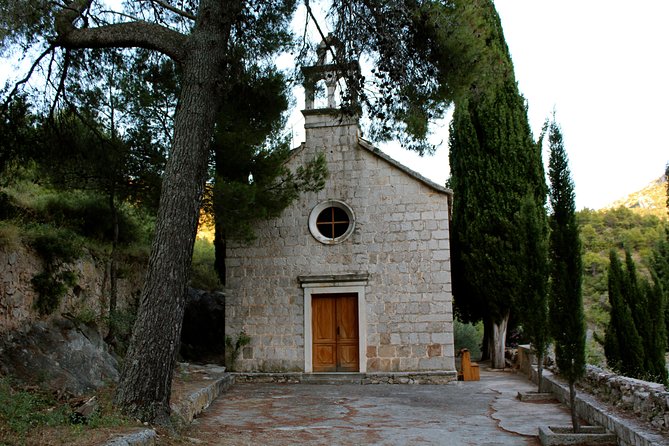
The guide quality is a top reason people like this tour. In different experiences, guides named Dinko and Stempe are praised for being friendly and full of local perspective. Another guide named Ivan is described as sharing historical context that helps you connect what you see with how Hvar fits into bigger patterns.
What you should look for in your own experience is less about memorized facts and more about how the guide connects places. The fortress becomes a story about lookouts and reconnaissance. Lavender becomes a story about production and village wealth. Stone courtyards become a story about how people lived and how they changed.
The small group size supports that style. With a max of 12 people, you are not lost in the crowd. You can ask questions and get answers that fit your interests, whether that is geography, agriculture, or how a village goes nearly empty.
If you hate waiting around, you may still find the driving time a little heavy for the clock. But for many people, the relaxed rhythm is the point.
Price and Value at About $210 for 4 Hours
At $210.27 per person, this is not a budget half-day. You are paying for three things that add real cost: hotel pickup and drop-off, a local driver/guide, and a full 3-course lunch or dinner. Add in the fact that the tour runs in small groups and includes time at multiple structured stops, and the price starts to make more sense.
This also explains who gets the best value. If you want to see the fortress, get a serious local meal, and learn how rural Hvar history connects to what you see in villages, you are likely to feel it was worth it. If you expect several separate food tastings across many stops, you might feel disappointed, because this tour centers the meal more than it centers a multi-stop eat-and-sample route.
One practical point: the tour is booked about 70 days in advance on average. That is a sign it fills up during peak travel time. If your dates are fixed, booking earlier gives you more certainty.
Getting the Most From This Half-Day Tour: Practical Tips
You only have about 4 hours, so treat it like a focused day. Here is how to make it easier:
Wear shoes you trust. You will be walking in villages with stone streets and courtyards. Bring a light layer even in warm months, since hilltop wind can surprise you.
Plan for sun. The fortress viewpoint and coastal angles mean bright light. A hat and sunglasses help.
Eat like it is a full meal day. The peka dinner or lunch is substantial. If you snack heavily before you start, you may not enjoy the final course as much.
If you care about a specific meal result, tell the team about dietary needs at booking. Vegetarian is available, and octopus is listed as an option. For peka, remember the minimum of 2 people note, in case you are traveling as a very small group.
Who Should Book This Hvar Half-Day Tour
This tour fits best if you want a strong mix of viewpoints, village atmosphere, and one proper traditional meal, without managing a rental car or building a route yourself. If you like history explained by locals, you will likely enjoy how guides named Dinko, Stempe, and Ivan are praised for connecting stories to places.
It is also a good choice if you want a half-day that still feels like a full experience. You get the fortress setting, lavender fields in season, two village stops, and then peka.
If you strongly prefer a slow walk with lots of time in just one place, or if you are chasing a food tour with many different tastings, you might be happier with a different style of Hvar tour.
Should You Book This Tour?
Yes, if you want the best “route logic” for a half-day in Hvar. The fortress viewpoints are the kind of start that helps you understand the island, and the ending meal is one of the clearest reasons to choose this specific tour. The local guide style, highlighted by experiences with Dinko, Stempe, and Ivan, is a major strength.
Wait or pick another option if your top goal is many food stops or deep time in villages. This one is more balanced between views, short village walks, and a single full meal.
If you book, plan to show up ready for hills and walking, and choose your food option up front so the peka decision matches your preferences.
FAQ
How long is the Hvar half-day tour?
It runs for about 4 hours.
Do you offer morning or afternoon departures, and is the meal lunch or dinner?
Yes, you can choose a morning or afternoon departure. The meal is Dalmatian lunch or dinner depending on the time of day.
Where does the tour start, and do you provide pickup?
The activity starts at the Bus Stop Hvar Town Dolac, 21450, Hvar, Croatia. Hotel pickup is offered for free, and the exact meeting time should be scheduled with the operator. If you are arriving by cruise or ferry, you meet at Hvar Bus station, about 5 minutes walk from the port.
What is included with the lunch or dinner?
The tour includes a 3-course lunch or dinner, plus beverages (local wine, water, and grappa). It also includes all taxes, fees, and handling charges, a local driver/guide, and hotel pickup and drop-off.
Is there a vegetarian option or octopus option?
Yes. Vegetarian option is available if you advise at booking. An octopus option is also listed.
Does the tour run in bad weather?
It operates in all weather conditions. The guidance is to dress appropriately.
Fresh options around Hvar
- Wine Lovers tour from Hvar★ 5.0 · 5 reviews
- Water Taxi Ride from Hvar to Split Airport★ 5.0 · 5 reviews
- Private Speed Boat Tour of Hvar South Shore & Pakleni islands★ 5.0 · 20 reviews
- Private Hvar Wine Tasting Tour★ 5.0 · 35 reviews
- Tuk Tuk Sightseeing Tour of Hvar★ 5.0 · 68 reviews
- Jewels of Hvar – Private Walking Tour★ 4.5 · 6 reviews
- Sunset Sailing Tour on the Pakleni Islands★ 5.0 · 10 reviews
- Sunset Kayak Tour in Hvar Town, Croatia★ 5.0 · 4 reviews
Hvar Island Tours, compared.
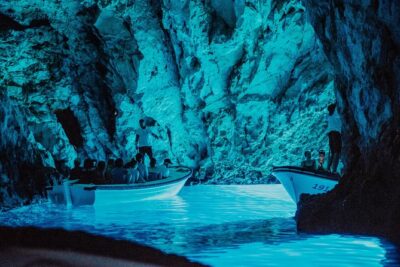
Blue cave, Mamma Mia and Hvar, 5 islands speedboat tour
Read our review →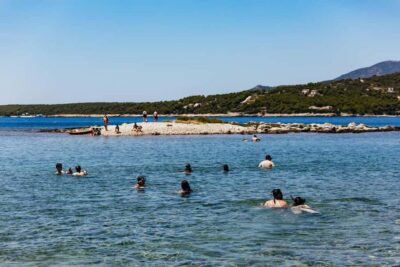
Blue Cave, Mamma Mia, Hvar and 5 Island Tour
Read our review →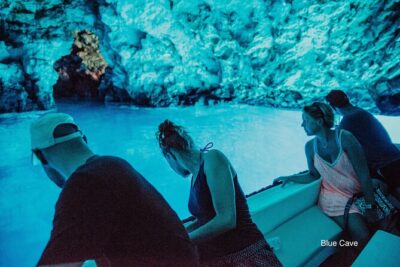
Blue cave, Mama Mia and Hvar, 5 island speedboat tour from Trogir
Read our review →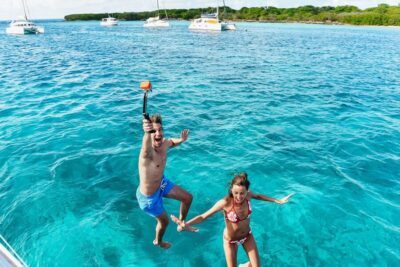
Blue Cave & 5 Islands with Vis & Hvar Boat Tour
Read our review →
Hvar, Brač & Pakleni islands cruise with lunch & drinks from Split & Trogir
Read our review →
Hvar, Pakleni, Brač & Šolta All-inclusive Tour
Read our review →
Hvar, Brač, and Pakleni Cruise with Lunch and Drinks
Read our review →Browse the lists this tour appears in