
Reviewed · KLIS FORTRESS & SALONA TOURS
Split: Olive museum Klis with Olive Oil Tasting
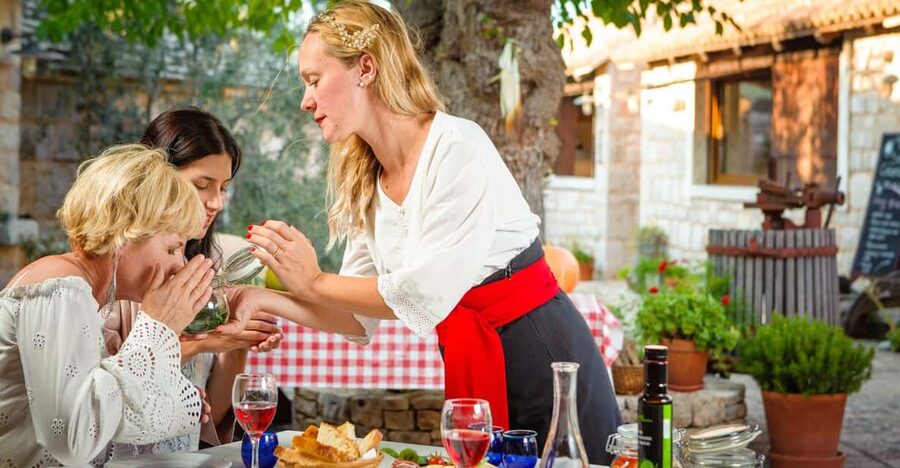
This experience is interesting because it turns olive oil tasting into a skill, not just a sip-and-smile stop. At Stella Croatica in Klis (near Split), you tour a working family estate and then learn how to spot quality extra virgin olive oil with an interactive tasting.
I love the hands-on way the training is done, where you taste two oils and get practical cues for what makes the difference. I also like the setting, since you move from a botanical collection and museum exhibits into a concept store where you can buy products at factory prices.
One consideration: the site is more museum and workshop focused than an olive grove viewpoint. If you’re hoping for sweeping, on-site olive trees or fields to walk around, you may find it a bit limited.
Key Highlights You’ll Actually Use
Two extra virgin tastings with professional-style guidance so you can tell quality from average
Olive Oil Museum featuring Croatia’s Liquid Gold story and a museum finalist recognition from 2023
Stella Croatica family estate tour with traditional production themes across figs, almonds, oranges, lavender
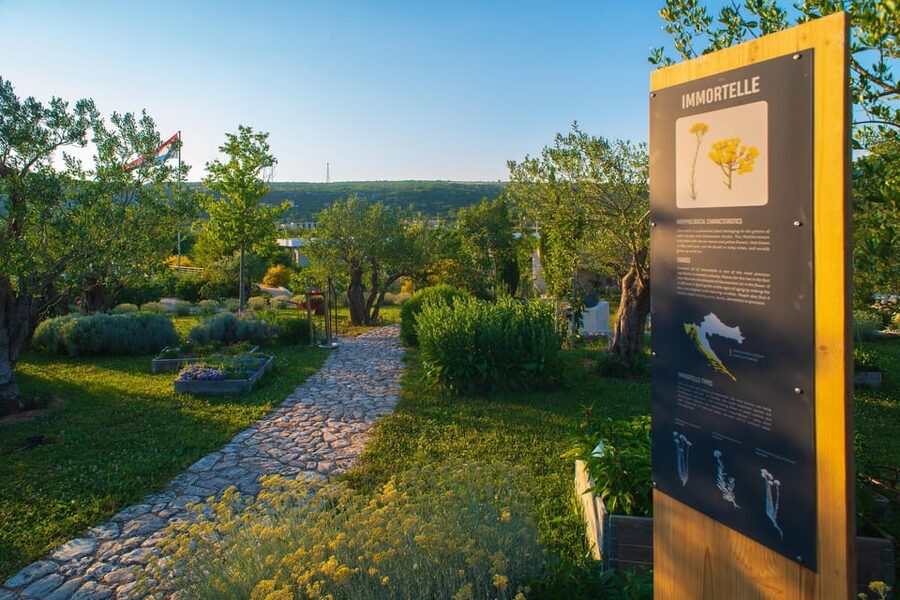
500-species botanical collection with examples of what plants can be used for
Sweets and natural cosmetics testing that round out the olive oil lesson with local products
Time to explore the park after the workshop at an unhurried pace
Stella Croatica Olive Museum and Tasting, Why It Feels Worth the Time
If you care about eating well while in Croatia, olive oil is one of those essentials you should understand, not just purchase. This tour is built for that. You get a guided visit that connects where products come from, how they’re made, and what quality tastes like.
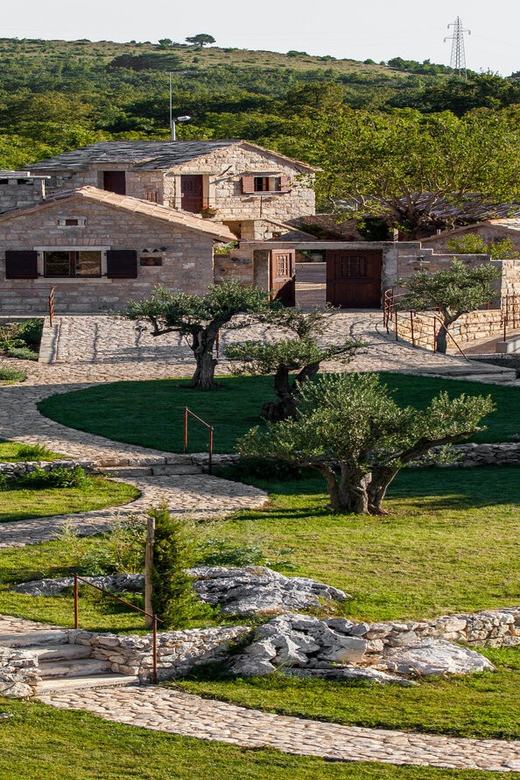
What makes the experience click is the pacing. You do not just sit inside a museum. You also move through other parts of the Stella Croatica property, including production demonstrations tied to local ingredients (think figs, almonds, oranges, lavender), then you end with an olive oil tasting that trains your senses like a mini tasting class.
The price, $18 per person, lands in the “small price, real value” category because you’re paying for multiple things at once: entry, a guided tour, tastings of two oils, sweets, and testing of natural cosmetics. For many people, it ends up being one of the most useful food education experiences in the Split area.
More Klis Fortress and Salona history:
- Split: Klis Sunset Sightseeing Bus Tour
★ 4.4 · 494 reviews - Split: Klis Fortress GOT and Olive Museum Entry Tickets
★ 4.6 · 283 reviews - Split: Historical Tour of Salona, Klis Fortress and Trogir
★ 4.1 · 108 reviews
The Pre-Tasting Tour: From Traditional Products to Herb Oils and Cosmetics
The experience starts with meeting your host and walking through the estate’s main indoor production spaces. The first part focuses on how local ladies produce and pack traditional products made from figs, almonds, oranges, and lavender. It’s a reminder that this region has long treated agriculture and crafts as everyday skills, not just souvenirs.
Then the tour shifts toward herbs. You’ll learn how essential oils are extracted from typical Dalmatian herbs and how those oils are used in the production of natural cosmetics. This matters because it gives you context for why the estate’s botanical collection is part of the same story. Even if your main goal is olive oil, you’ll see how the property approaches “plant to product,” from ingredients to finished goods.
Practical note: you are not allowed food and drinks during the activity, so plan to arrive ready to focus. Also, no video recording. You’ll still want to look closely, especially in areas where the guide describes processes.
The Botanical Collection: What 500 Species Means in Real Life
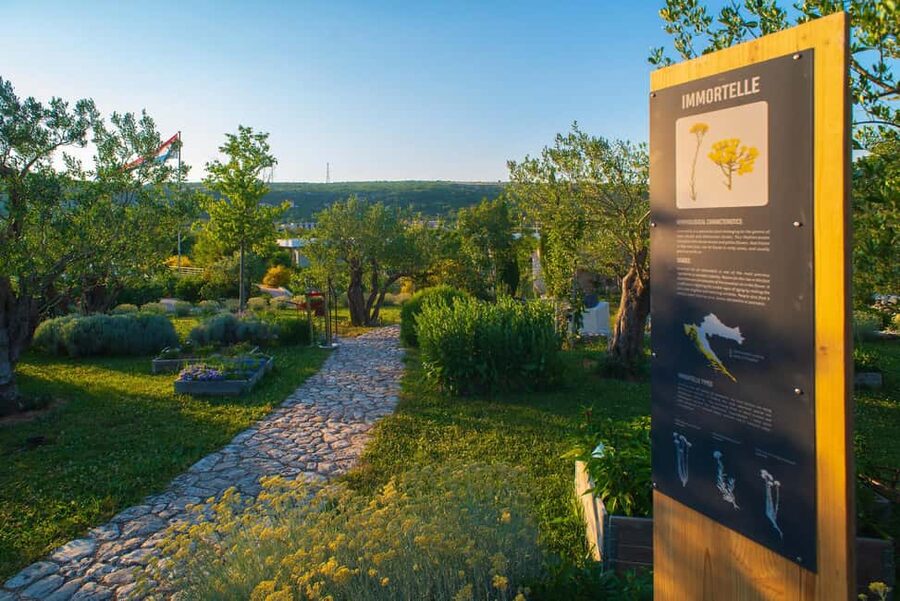
One of the standout features here is the botanical collection with 500 species. In a normal attraction, you might see plants labeled vaguely, take a few photos, then move on. At Stella Croatica, this is woven into the guided experience. You’ll learn what some of the plants can be used for, which turns the garden into an education stop rather than just scenery.
This is also where the tour feels calm and practical. You are not rushing between highlights. Instead, you get time to understand the plants and how they connect to oils, scents, and natural products.
If you like gardens, you’ll probably enjoy this portion even if your olive oil interest is new. If you do not care about plants much, you might still find it useful because it explains the estate’s overall theme: Dalmatian ingredients are more than decoration, they are raw material.
Inside the Olive Oil Museum: Croatia’s Liquid Gold Explained
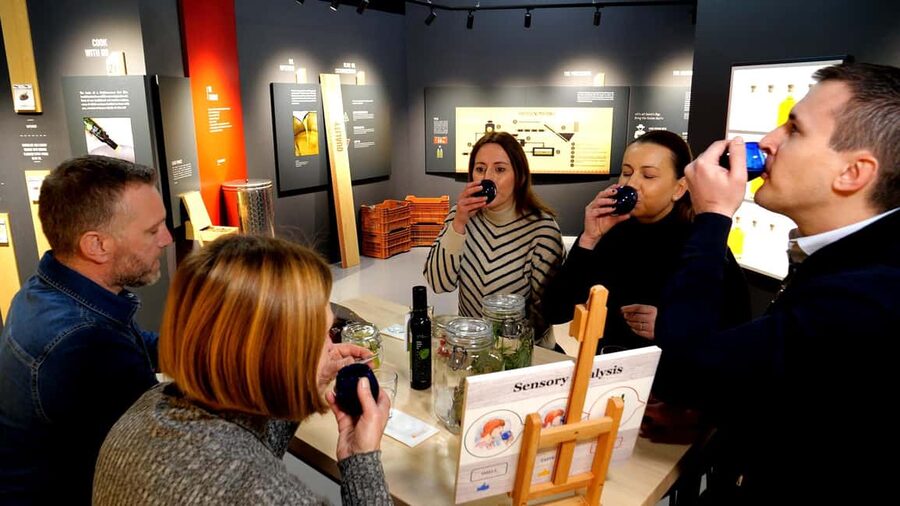
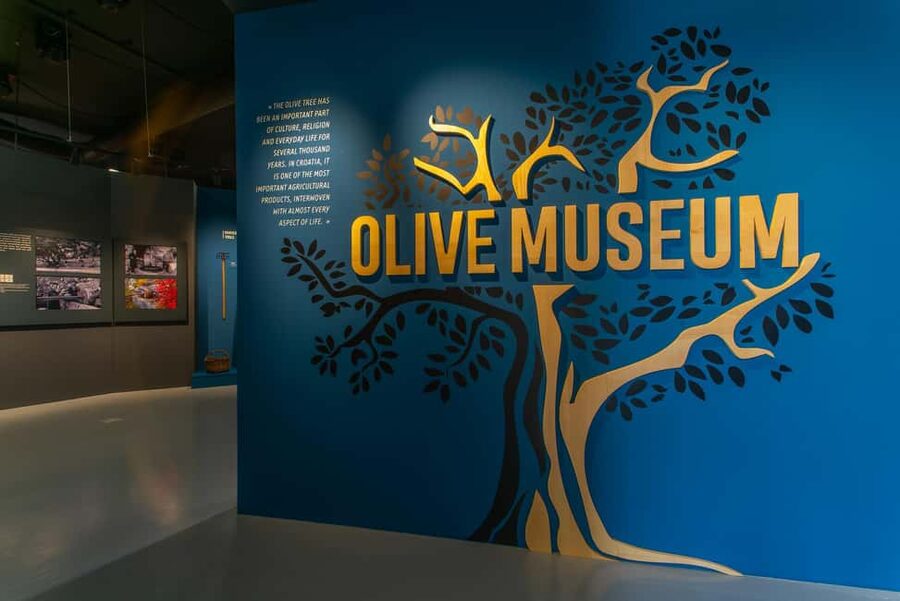
Next comes the Olive Oil Museum, the “Liquid Gold” portion of the tour. This museum was a finalist for the European Museum of the Year Award 2023, and that recognition shows up in the emphasis on storytelling and structure.
You go in to learn about olive growing in Croatia. That sounds broad, but the real value is the framing. The museum sets you up to taste with intention later, so the tasting doesn’t feel random. Instead, it feels like you’re finally using the lessons the tour prepared you for.
The museum also adds a bit of credibility to the experience. When an attraction is designed like a museum, it tends to slow down the “sell” factor. You get information first, then experience, then you have time afterward to buy if you want.
A balanced warning from experience logic: one part of the experience is not about seeing olive trees on-site. The estate is best seen as a facility for learning and product culture. If you want a walking view of olive groves, you might feel a slight mismatch between expectations and reality.
More Dalmatian food and wine tastings in Split:
- From Split: Krka Waterfalls, Food & Wine Tasting Tour
★ 5.0 · 9,326 reviews - From Split: Krka Waterfalls, Food & Wine Tasting Tour
★ 4.9 · 6,598 reviews - Split: Blue Lagoon and 3 Island Cruise with Food and Drinks
★ 4.8 · 1,969 reviews - Krka National Park Tour with tour Guide & Wine tasting from Split & Trogir
★ 5.0 · 1,625 reviews
The Tasting Room Training: How You Learn Extra Virgin Quality
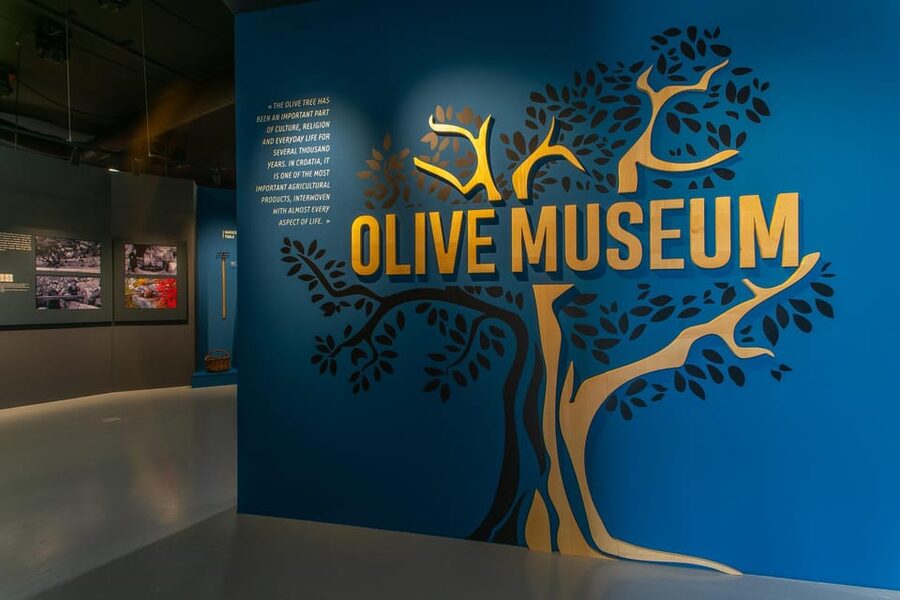
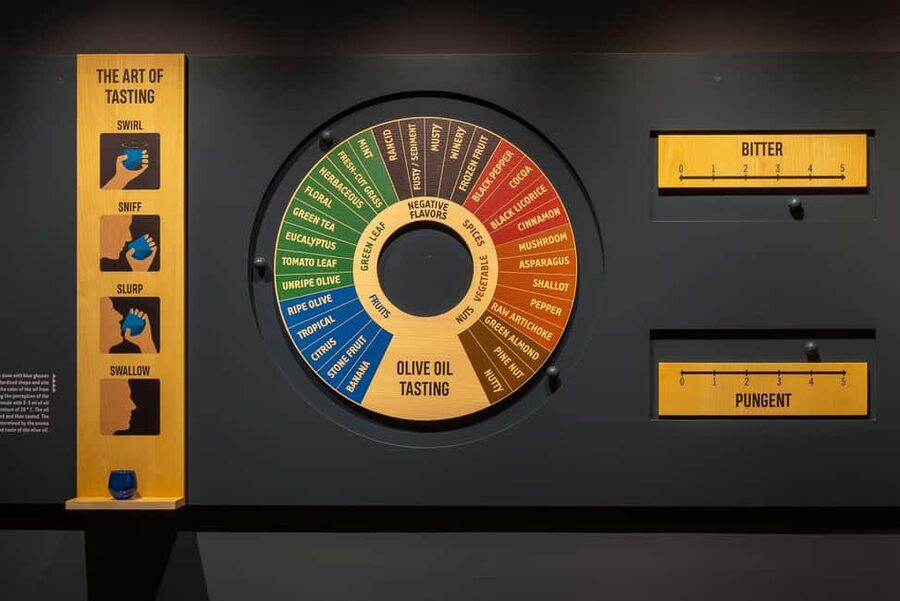
This is the heart of the visit. After the museum and shopping area time, your guide takes you to the tasting room for an interactive lesson on recognizing extra virgin olive oil.
The training uses a sensory approach that helps you understand what to look for, not just what to like. One family described it as learning like a sommelier, with sniffing and tasting differences between good and bad olive oil. That matters because the point of extra virgin is quality you can detect, not marketing you can memorize.
What you do here is straightforward:
- You learn the basics of what makes extra virgin olive oil what it is.
- You taste two different olive oils, and both are labeled as extra virgin.
Even if you already shop for olive oil at home, this kind of guided comparison can sharpen your instincts fast. You stop thinking in terms of brand names and start thinking in terms of what your senses pick up.
Also, the tasting experience is not just about swallowing and moving on. People highlighted how clear the explanations are and how you can learn a lot in a short time. That combination is rare. Many food tours either focus too much on the product and skip the “how to notice quality,” or they focus too much on theory and leave you without tasting practice.
Concept Store Time: Buy Under Factory Prices (If You Want)
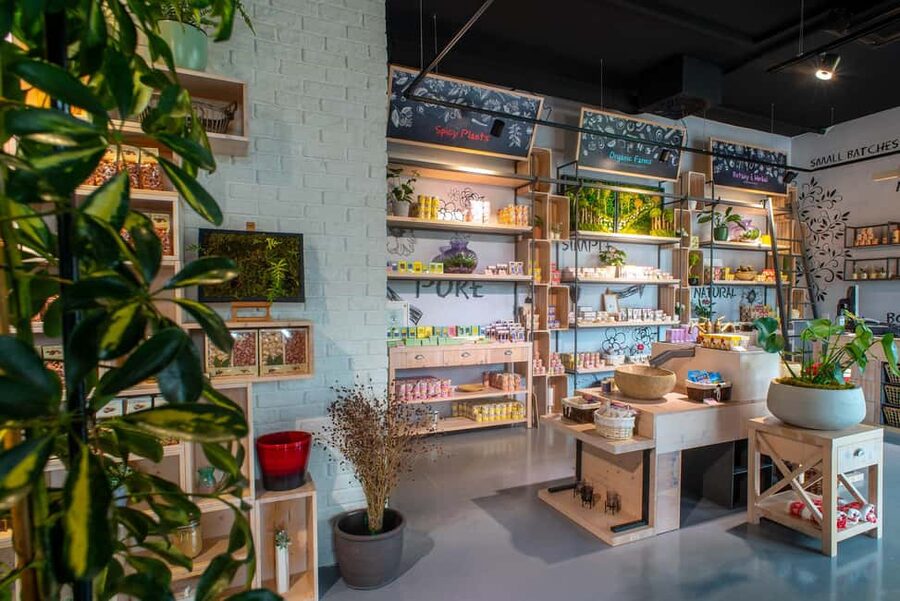
After the tasting education, the experience includes time to explore and shop. There’s a concept store tied to the estate where you can taste or buy handmade products, with the possibility of purchasing items under factory prices.
This is a good moment for two reasons. First, you’re more informed by then, so you can choose with purpose. Second, you are not under pressure to buy. The structure is education first, shopping second.
From a practical perspective, this is also the best time to ask about what to take home. Since the estate connects olive oil to herbs, sweets, and cosmetics, you can end up with a small set of gifts that feel coherent rather than random.
Sweets and Natural Cosmetics Testing: More Than Olive Oil
Your ticket is not only an olive oil lesson. Included tastings also cover traditional sweets, and the experience includes testing natural cosmetics.
That’s not “extra fluff.” It helps you understand the estate’s product world. Olive oil is one star, but figs, almonds, oranges, lavender, and herbs all show up in the way the estate produces and packages items.
One more reason I like this combination: it makes the tour easier to enjoy if you’re with people who don’t care about olive oil as much as you do. Sweets and cosmetics give everyone a lane into the experience.
The Setting and Atmosphere: Beautiful Facility, Clear Guidance, Mixed Energy
The overall tone from the experience is positive. A huge number of people gave it a near-perfect score and praised the guided explanations and the workshop style tasting. Many highlighted that you learn a lot in a short time, and that the tasting part is interesting because it teaches professional-style recognition.
That said, there is a useful counterpoint. One review described the museum guide inside as dull and unenthusiastic, and noted that the museum itself felt less engaging than expected. That review also pointed out that there are no olive trees or fields to see directly on-site.
So here’s my balanced takeaway for you: if you want an olive grove field trip, adjust your expectations. If you want an educational olive oil tasting and a guided estate experience, you’re very likely to enjoy it.
Price and Value for an Olive Oil Education Class
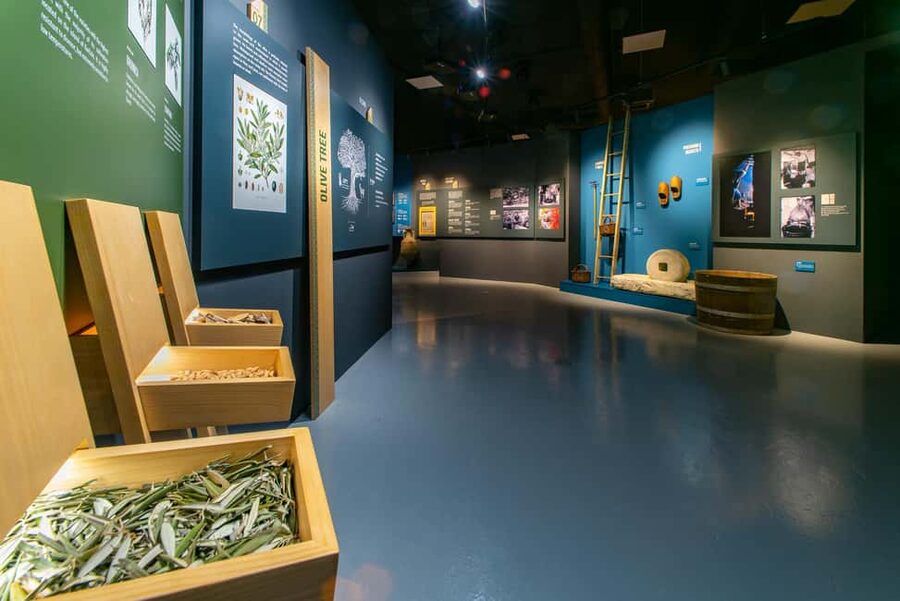
At $18 per person, the math is favorable because the ticket includes several distinct components: entry to Stella Croatica and the Olive Oil Museum, a guided tour, tasting of two different olive oils, traditional sweets tasting, and testing natural cosmetics.
For value, the tasting part is key. Many attractions offer a quick sample and then send you off. Here, you get an interactive training session focused on how to recognize extra virgin olive oil. That kind of guided sensory practice usually costs more than an entry ticket on its own.
Also, the tour is small enough to fit into a day around Split. You can use it as a focused half-day style plan, especially if you want something practical and food-related rather than another long museum walk.
Who This Tour Suits Best (And Who Might Skip It)
This works best if you want:
- A hands-on olive oil learning experience in the Split area
- Clear explanations and a structured tasting of two extra virgin oils
- A botanical stop with plants connected to real uses
- A family-friendly activity that keeps children engaged through clear info and tasting practice
It may be less ideal if you want:
- On-site olive trees and roaming olive fields views
- A museum-only experience with lots of dramatic exhibit energy
- A leisurely day that is mostly outdoors
A quick family tip: one family visited with a nine-year-old and felt the explanations were clear enough for a child, and that the tasting workshop was interesting for the daughter too. If you’re traveling with kids, this kind of guided sensory learning is usually a better match than a purely lecture-style visit.
Practical Tips Before You Go
Here’s how to make this visit go smoothly based on what’s included and what’s not allowed.
- Plan for a tour with tastings, not a snack stop. Food and drinks are not allowed during the activity.
- Expect interactive tasting training in English. The tour language is English.
- No video recording, so bring your attention, not your camera binge.
- Wear comfortable shoes. You’ll be moving through several areas, including the botanical collection and museum spaces.
- If shopping interests you, decide in your mind what you want to compare. The estate shop has olive oils and other products, and buying after tasting education often leads to better choices.
Also, the experience ends back at the meeting point. So treat it like a contained activity, not something you need to “connect” with complex transportation.
Should You Book This Split Area Olive Museum Tour?
Yes, I think you should book this if your goal is to leave with more than a souvenir bottle. The strongest part is the extra virgin tasting training, where you compare two oils and learn how quality recognition actually works. Add in the Olive Oil Museum, the estate tour, and the included sweets and cosmetics testing, and the $18 price starts to feel like a bargain for food education.
Skip it if you’re primarily chasing views of olive groves or expecting a fully outdoorsy olive walk. The experience is more about learning in a dedicated estate setting, plus tasting, plus botanical education. For the right expectations, it’s a smart use of time near Split.
FAQ
Where is the meeting point for the tour?
The start is at Stella Croatica. You follow the signs from the main road, enter the main building, and wait for your host to arrive.
How does the tour end?
The activity ends back at the meeting point.
What is included in the $18 per person price?
Included are entry tickets to Stella Croatica and the Olive Oil Museum, a guided tour, tasting of two different olive oils, tasting of traditional sweets, and testing natural cosmetics.
How many olive oils do you taste during the experience?
You taste two different olive oils in the tasting room, and both are labeled as extra virgin.
Are food and drinks allowed during the activity?
No. Food and drinks are not allowed.
Is video recording allowed?
No. Video recording is not allowed.
What languages is the tour offered in?
The tour is offered in English.
Is there time after the tasting to explore or eat?
After the experience, you have free time to explore the park, or you can have a traditional lunch.
More Food & Drink in Split
- Split/Trogir: Krka National Park Day Trip with Wine Tasting
★ 4.7 · 925 reviews - Full-Day Catamaran Cruise to Hvar & Pakleni Islands with Food and free Drinks
★ 5.0 · 670 reviews - Dubrovnik Guided Group Tour with Ston Oyster tasting from Split & Trogir
★ 5.0 · 538 reviews - Split Food Tour: Discover Split One Bite At A Time
★ 5.0 · 433 reviews
More Museums in Split
- Blue Lagoon & Underwater Museum from Split with Lunch & Drinks
★ 4.5 · 1,122 reviews - SPLIT-PREMIUM Emperor’s Walking Tour for History Lovers + Museum
★ 5.0 · 333 reviews - Visit Klis fortress GOT & Olive museum Klis
★ 4.5 · 77 reviews - Split: Game of Thrones Museum Entrance Ticket
★ 3.8 · 385 reviews
Fresh options around Split
- Small-Group Communist Tour of Split – Boutique group tour★ 5.0 · 7 reviews
- Controversies behind Split and Croatia-Anthropologist guide★ 5.0 · 59 reviews
- Split City Tour By Electric Rickshaw┃Riva Ride★ 5.0 · 50 reviews
- Coffee, storytelling & walk – The best private tour of Split★ 5.0 · 46 reviews
- Chill Private Walking Tour of Diocletian’s Palace★ 5.0 · 35 reviews
- Canyoning basic on Cetina river from Omiš★ 5.0 · 66 reviews
- River Rafting from Split- Cliff Jumping- Cave Visit★ 5.0 · 90 reviews
- Private Split City Walking Tour – Spanish Guide★ 4.5 · 12 reviews
Klis Fortress & Salona Tours, compared.

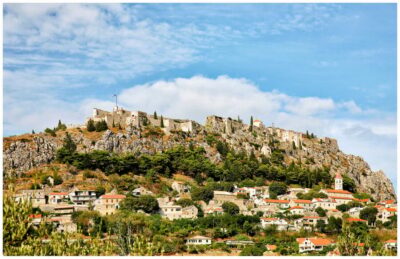
Klis Fortress GOT and Olive Museum Entry Tickets
Read our review →
Historical Tour of Salona, Klis Fortress and Trogir
Read our review →
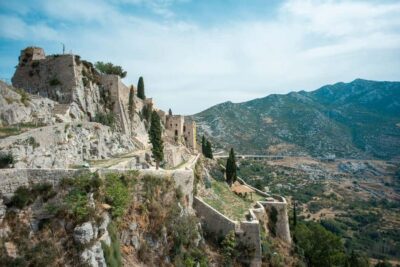
Private tour to Klis Fortress and Vranjača cave
Read our review →
Game of Thrones Klis Fortress + Ethno Village in 8 languages
Read our review →
Private tour to Salona, Vitturi castle and Trogir
Read our review →
Browse the lists this tour appears in